
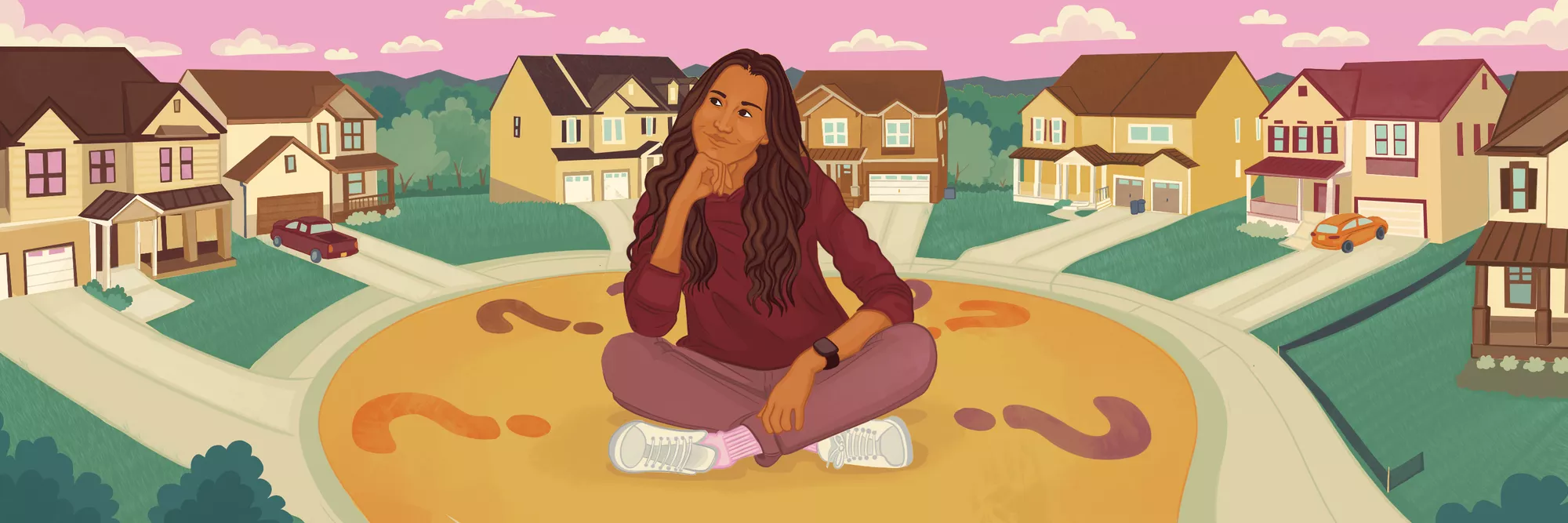
Home Affordability Planning for Confident Buyer Decisions
Buying a home can feel exciting until the numbers start acting louder than the dream. Home affordability planning gives you a calmer way to decide what you can buy, what you should avoid, and how much room your budget needs after closing day. Many U.S. buyers focus on the listing price first, then discover the real pressure lives in taxes, insurance, repairs, commuting costs, and cash reserves. That is where smart planning protects you from becoming house-rich and cash-poor. A buyer in Ohio, Texas, or Florida may see the same loan amount play out in three different ways because local property taxes, insurance costs, and HOA rules can change the full payment. Helpful real estate guidance from trusted resources like property planning insights can make those decisions feel less scattered and more grounded. The goal is not to buy the biggest house a lender approves. The goal is to buy a home that still lets you live well after the keys are in your hand.
Home Affordability Planning Starts With the Payment You Can Live With
A lender looks at your income through a risk lens, but you have to look at it through a life lens. Those are not the same thing. One tells you what the bank may approve. The other tells you whether your grocery runs, car repairs, family plans, and weekend life still fit after the mortgage clears.
Why monthly mortgage comfort matters more than maximum approval
A preapproval letter can make buyers feel richer than they are. That letter does not know that your car has 140,000 miles on it, your child may need braces next year, or your job bonus is never guaranteed. It only sees the numbers you submitted.
The better move is to build your own comfort payment before you let anyone show you houses. For example, a couple in Atlanta making $110,000 a year may qualify for a payment that looks fine on paper. Still, if daycare, student loans, and insurance eat into their cash every month, that approved payment may squeeze them fast.
A safe payment leaves room for ordinary surprises. Not disasters. Ordinary life. Tires wear out, water heaters quit, and utility bills climb in summer. A home should not turn every small bill into a private crisis.
How debt-to-income ratios miss part of the story
Debt-to-income ratio matters because lenders use it to judge repayment risk. Yet it can miss the texture of your real spending. Two buyers with the same income and debt can live in completely different financial worlds.
One buyer may cook at home, work remotely, and carry no medical costs. Another may commute 60 miles a day, support a parent, and pay higher health premiums. The lender may treat them like twins. Their budgets are not twins.
A sharper buyer builds a “life-adjusted” budget. Start with take-home pay, subtract fixed bills, subtract realistic savings, then see what mortgage payment remains without strain. That number usually tells the truth faster than any online calculator.
Cash Reserves Turn A Good Purchase Into A Safer One
The down payment gets all the attention, but the money left after closing often matters more. A buyer with a smaller down payment and strong reserves may be safer than a buyer who drains every dollar to reach 20% down. That sounds backward at first. It is not.
Why closing day should not empty your account
Closing costs can surprise first-time buyers because they feel less visible than the down payment. Appraisal fees, title charges, lender costs, prepaid taxes, insurance, and escrow deposits can stack quickly. In many U.S. markets, buyers need thousands more than the number they first had in mind.
A family buying a $350,000 home in Pennsylvania might prepare for the down payment, then face added cash needs before signing. If they also need appliances, moving help, paint, and small repairs, the first month can feel heavier than expected.
The cleanest rule is simple: do not treat closing as the finish line. Treat it as the starting line. A healthy reserve gives you breathing room when the home begins asking for attention.
How repair funds protect your first year
Every home has a first-year expense personality. A newer townhome may ask for small fixes and HOA payments. An older single-family home may bring plumbing work, roof patches, or HVAC service. The inspection helps, but it cannot predict everything.
A practical repair fund keeps you from using credit cards for every surprise. Even a clean inspection can miss future leaks, appliance failures, or seasonal issues. Homeownership always has a maintenance voice. Sooner or later, it speaks.
This is where buyer discipline pays off. If a house eats your cash before you move in, it may not be affordable yet. Waiting six more months to build reserves can be less painful than buying too soon and spending the first year tense.
Location Costs Can Change The Real Price Of A Home
A house price never tells the full story by itself. The same $400,000 home can feel affordable in one county and punishing in another. Local taxes, insurance risk, commuting patterns, and neighborhood fees can change the monthly reality more than buyers expect.
Why property taxes and insurance deserve early attention
Property taxes are not background noise. In states like New Jersey, Illinois, and Texas, they can carry serious weight in the monthly payment. A lower purchase price can still feel expensive when the tax bill is high.
Insurance has become a bigger issue in many parts of the country. Coastal homes, wildfire-prone areas, and storm-heavy regions can bring higher premiums or fewer carrier options. A Florida buyer may love the price, then pause when insurance quotes arrive.
Smart buyers check taxes and insurance before falling in love with the kitchen. That one step can prevent wasted tours, broken expectations, and offers that collapse during underwriting. The payment should be tested early, not after emotions take over.
How commuting and HOA fees change affordability
Commuting costs are easy to ignore because they do not appear inside the mortgage estimate. Gas, tolls, parking, train passes, and car wear can quietly turn a cheaper home into a more expensive life. A lower payment loses some shine when the drive steals money and time every week.
HOA fees deserve the same respect. A condo with a modest price may carry a monthly fee that changes the whole budget. Some fees cover valuable services. Others feel heavy once special assessments or strict rules enter the picture.
A buyer in suburban Chicago might choose between a pricier home near work and a cheaper one farther out. The cheaper option may still win, but only after commute costs and time are counted. Real affordability lives in the whole pattern, not the mortgage line alone.
Confident Buyer Decisions Come From Testing The Future
A good budget is not only about today’s numbers. It also asks what happens next. Income can change, family needs can grow, interest rates can shift, and property costs can rise. Home affordability planning becomes stronger when it tests tomorrow before you sign today.
Why buyers should stress-test their budget
A stress test asks one blunt question: what would make this home uncomfortable? That may be a higher insurance premium, a job change, a new baby, reduced overtime, or a major repair. The point is not to scare yourself. The point is to see weak spots while you still have choices.
Run the numbers with less income than you expect. Add a higher utility bill. Add a repair payment. Add a savings goal you refuse to give up. If the budget still works, the home is stronger than the excitement around it.
This exercise feels conservative, but it is freeing. You stop depending on perfect conditions. A buyer who can handle a rough month owns the home with more confidence than one who needs every month to behave.
How to avoid emotional overbidding
The hardest affordability mistake often happens in a hot market. A buyer loses two homes, gets tired, and starts bidding from frustration instead of judgment. That is when a home search turns expensive fast.
Set your walk-away number before the offer. Write it down. Share it with your agent. A clear limit protects you when the seller counters, the deadline feels tight, and other buyers appear out of nowhere.
A smart offer is not the one that wins at any cost. It is the one that still makes sense after the celebration fades. If the only way to win a house is to ignore your own math, losing may be the better deal.
Conclusion
The best home purchase is not the one that impresses people at dinner. It is the one that still feels sane on a rainy Tuesday when the electric bill arrives, the car needs work, and life refuses to follow the spreadsheet. Buyers who slow down early often move faster later because their limits are clear, their cash is protected, and their offers come from judgment instead of panic. Home affordability planning is not about shrinking your dream. It is about giving that dream enough financial oxygen to survive real life. Before you tour another home, choose your comfort payment, price out the local costs, protect your reserves, and test the budget against a few rough months. Then you can shop with a steadier eye. The right home should give you roots, not a monthly knot in your stomach.
Frequently Asked Questions
How do I know how much house I can afford in the USA?
Start with your take-home pay, not your gross income. Subtract fixed bills, savings goals, food, transportation, insurance, and normal personal spending. The mortgage payment left after that should feel manageable without relying on bonuses, overtime, or credit cards.
What is the safest monthly mortgage payment for first-time buyers?
A safe payment usually leaves room for savings, repairs, and lifestyle costs after every bill is paid. Many buyers use lender approval as the limit, but personal comfort matters more. The right number should still work during an expensive month.
Should I buy a home if I only have the down payment saved?
Buying with no extra cash can create pressure fast. Closing costs, moving expenses, repairs, and utility setup often arrive together. Keeping emergency reserves after closing is safer than using every dollar to reach a larger down payment.
How do property taxes affect home affordability?
Property taxes increase your total monthly housing cost and can rise over time. Two homes with the same price may have different payments because of local tax rates. Always check current taxes and possible reassessment before making an offer.
Are HOA fees included in mortgage affordability calculations?
Lenders usually count HOA fees when reviewing your monthly obligations. Buyers should count them too because they affect cash flow every month. A low listing price can become less attractive when HOA dues, rules, and special assessments are added.
Why does homeowners insurance change the real cost of buying?
Homeowners insurance can vary by state, weather risk, home age, roof condition, and coverage needs. Higher premiums increase your monthly payment. Buyers in storm, flood, fire, or coastal areas should get insurance quotes early in the search.
How much emergency savings should homeowners keep after closing?
Many homeowners aim for several months of core expenses, plus a separate repair cushion. The exact amount depends on income stability, home age, and family needs. Older homes usually deserve a larger maintenance fund because repairs can appear sooner.
What is the biggest mistake buyers make with affordability?
The biggest mistake is shopping from the lender’s maximum approval instead of a personal comfort number. Approval does not guarantee peace of mind. A smart buyer sets a limit before touring homes and refuses to let emotion rewrite the math.

Related Posts

Despite Constant Change Certain Principles Never Lose Their Value

Small Daily Decisions That Create Lasting Positive Change