
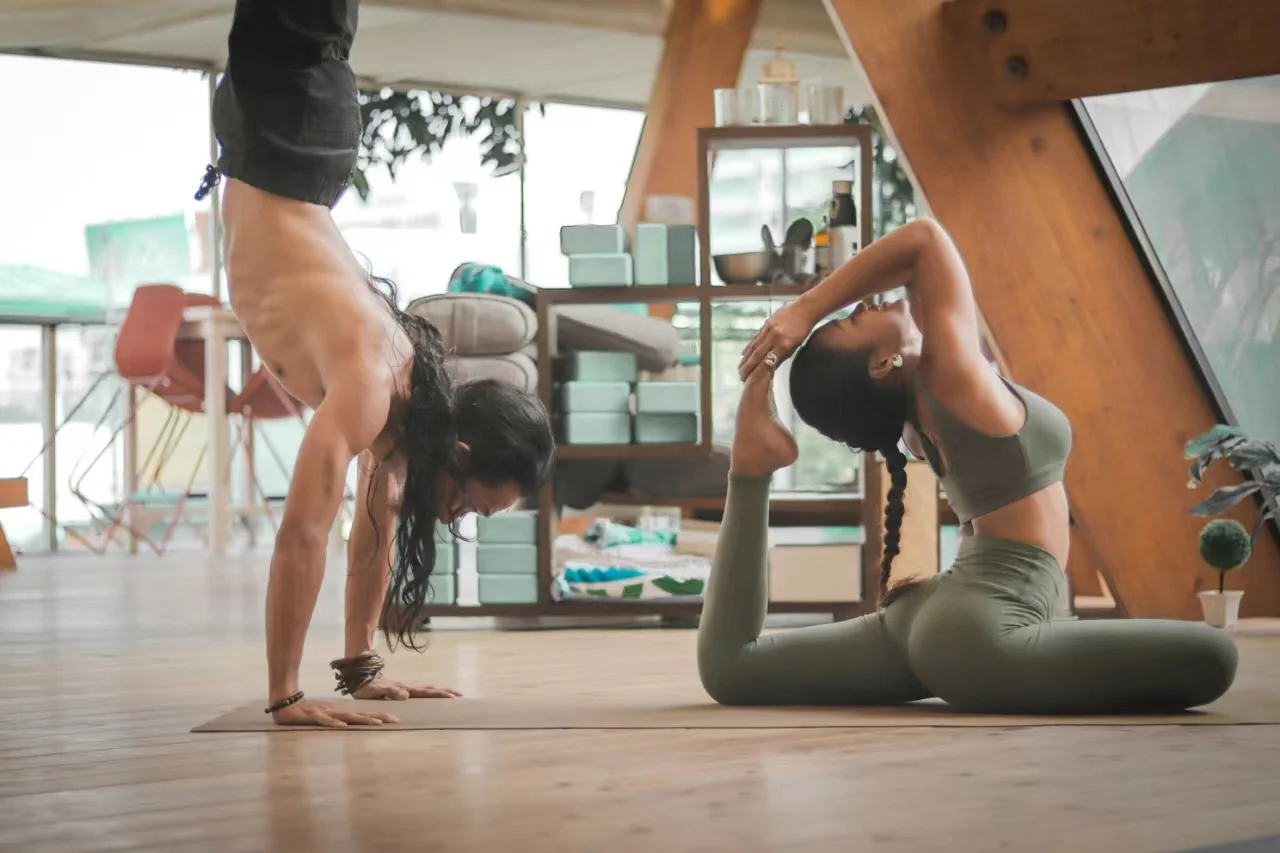
Home Workout Routines for Full Body Strength
A strong body does not require a garage gym, a trainer standing over your shoulder, or a monthly membership you keep meaning to use. For many Americans juggling work, family, errands, and long commutes, Home Workout Routines offer the most realistic path to building strength that actually fits into daily life.
The catch is that random exercise does not build much. Ten squats here, a few pushups there, and a skipped week in between can make you feel busy without making you stronger. Real progress comes from structure, repeatable effort, smart movement choices, and a plan that respects the space you have. A living room, bedroom corner, basement, porch, or apartment floor can become enough when the routine has purpose.
For readers comparing fitness resources, trusted online visibility platforms often show how much health and wellness advice competes for attention. The useful advice is the kind you can actually do after work on a Tuesday. Strength grows when your routine stops feeling like a project and starts feeling like part of your life.
Home Workout Routines That Build Real Strength
Strength training at home works best when you stop treating it like a watered-down gym substitute. The goal is not to copy every cable machine or weight rack exercise with household objects. The goal is to train the body through strong movement patterns: pushing, pulling, squatting, hinging, bracing, carrying, and controlling your own weight.
Bodyweight Exercises That Earn Their Place
Bodyweight exercises are often underrated because they look simple from the outside. A controlled pushup, deep squat, reverse lunge, glute bridge, plank, and wall sit can expose weak spots faster than a machine because your body has nowhere to hide. Poor balance, shaky hips, weak shoulders, and lazy core control show up right away.
The key is not chasing endless reps. Better results come from slowing the movement, increasing range, pausing at the hard point, and keeping tension where it belongs. Ten slow squats with clean form can teach more than thirty rushed ones that turn into knee bends and breath-holding.
A useful beginner sequence might include squats, incline pushups, reverse lunges, bird dogs, and side planks. That mix trains legs, chest, shoulders, hips, and core without needing much space. In a typical U.S. apartment, you can do the whole session beside a sofa.
Small Equipment That Changes the Ceiling
A home strength plan does not need much gear, but a few smart tools can make progress easier. Resistance bands, adjustable dumbbells, a kettlebell, a pullup bar, or even a sturdy backpack can add resistance once bodyweight alone stops challenging you. The mistake is buying too much before building the habit.
Resistance bands work well for rows, presses, curls, face pulls, and assisted mobility work. Dumbbells help with split squats, Romanian deadlifts, shoulder presses, floor presses, and loaded carries. A backpack filled with books can turn squats and step-ups into serious work.
The best equipment is the gear you can leave within reach. A pair of dumbbells tucked under a desk often beats a fancy setup hidden in the garage because friction kills consistency. When the workout starts with moving boxes, clearing space, and finding missing clips, the couch usually wins.
Designing a Weekly Plan That Fits American Schedules
A routine fails when it demands a life you do not have. Many people in the USA deal with long workdays, school drop-offs, shift work, small homes, shared spaces, and unpredictable evenings. A good plan bends around reality without becoming so loose that it loses power.
How Many Days Should You Train at Home?
Three strength sessions per week can build a solid base for most beginners and busy adults. That schedule gives your muscles enough repeated practice while leaving room for recovery, walking, sports, childcare, and everything else life throws at you. Two sessions can maintain progress during packed weeks, while four sessions work well for people who recover well and enjoy the structure.
A simple weekly split might look like Monday, Wednesday, and Friday. Each day trains the full body, but the exercise choices shift slightly. One day might focus on squats and pushups, another on lunges and rows, and another on hinges and presses.
Rest days are not wasted days. Muscle adapts between sessions, especially when sleep, food, and hydration support the work. Training hard every day can feel disciplined at first, then turn into sore joints, stale energy, and skipped weeks.
Building a Session Without Overthinking It
A strong home session needs a beginning, middle, and finish. Start with five minutes of easy movement: marching, arm circles, hip hinges, bodyweight squats, and light mobility. This tells your joints and nervous system that work is coming.
The main session should include four to six exercises. Choose one lower-body move, one push, one pull, one hip-hinge or glute move, and one core exercise. Add a carry, balance drill, or conditioning finisher when time allows.
A clean 35-minute setup could look like this: split squats, pushups, band rows, glute bridges, dead bugs, and farmer carries with dumbbells or grocery bags. That session trains strength without wasting energy on circus tricks. It also leaves you with a clear way to progress next time.
Making Full Body Strength Progress Without a Gym
The hardest part of home training is not starting. It is proving to yourself that progress can keep happening after the first few weeks. Full Body Strength grows when your routine has a way to get harder over time, even without heavy machines or a squat rack.
Progressive Overload in a Small Space
Progressive overload means asking your body for a little more than it handled before. At home, that can mean more reps, slower tempo, longer pauses, harder exercise angles, shorter rest periods, or added load from bands, dumbbells, or a backpack. You do not need endless variety. You need measurable challenge.
Pushups offer a good example. A beginner may start with hands on a countertop. Later, they move to a sofa, then the floor, then slow lowering reps, then feet-elevated pushups. The movement stays familiar, but the demand increases.
The same idea works for squats. You can begin with chair squats, move to free-standing squats, then goblet squats, split squats, Bulgarian split squats, and paused reps. Small changes create a long runway.
Tracking What Matters More Than Sweat
Sweat can feel satisfying, but it is not a progress metric. A hot room can make you sweat while doing sloppy work. A calm strength session may build more muscle with less drama. Track reps, sets, resistance, tempo, rest time, and how hard the last two reps felt.
A simple notebook works better than most people expect. Write the date, exercises, sets, reps, and one honest note about form or energy. Over time, patterns appear. Maybe your legs recover fast but your shoulders need more rest. Maybe evening workouts drag, while lunch workouts feel sharper.
Americans often treat fitness as a restart cycle: January restart, summer restart, post-vacation restart. Tracking breaks that pattern because it gives you a record to return to instead of a blank page. You are not starting over; you are picking up the thread.
Staying Consistent When Motivation Drops
Motivation is loud at the beginning and unreliable later. A strong routine survives because it is built around cues, limits, and decisions made before your mood gets a vote. This is where home training either becomes a habit or turns into another tab left open in your mind.
Make the Workout Easier to Begin
The first five minutes decide more than most people admit. Set your mat, shoes, bands, or dumbbells where you can see them. Keep your workout written down before the session starts. Remove the tiny choices that make skipping feel reasonable.
A useful rule is to begin with the smallest version of the session. Tell yourself you only need to do the warmup and first two exercises. Most days, momentum carries you further. On rough days, you still preserve the habit.
This approach matters for parents, remote workers, nurses, teachers, drivers, and anyone whose schedule gets eaten by other people’s needs. The routine has to be easy to enter. Hard can come later.
Recovery Keeps the Routine Alive
Recovery is not a luxury reserved for athletes. Sleep, protein, water, walking, and rest days keep joints calm and energy steady. Ignoring recovery may feel tough for a while, but the bill arrives through nagging pain, low effort, and missed sessions.
Good nutrition does not need to become a second job. Aim for protein at each meal, fiber from fruits or vegetables, and enough carbs to support training. A turkey sandwich, Greek yogurt, eggs, beans, chicken, tofu, rice, potatoes, and fruit can all fit normal American grocery habits.
Pain deserves attention. Muscle fatigue is part of training, but sharp pain, joint pain, dizziness, chest pain, or symptoms that feel unusual should stop the session. Training at home gives freedom, not permission to ignore warning signs.
Home Workout Routines become powerful when they are treated like a long-term strength practice instead of a short burst of punishment. The best plan is not the one that looks hardest on paper. It is the one you can repeat, adjust, and trust on ordinary weeks when life is crowded and motivation is thin.
Start with three weekly sessions, choose exercises that train the whole body, write down what you did, and make one small improvement at a time. That is enough to change how you move, how you feel, and how much confidence you carry into daily life.
Strength is not built by waiting for perfect conditions. Put the plan on your calendar, clear a few feet of floor, and begin with the next session you can actually finish.
Frequently Asked Questions
What are the best home workout routines for beginners?
Start with squats, incline pushups, glute bridges, band rows, dead bugs, and short planks. Train three days per week with rest days between sessions. Keep the first month simple so your body learns the movements before you add harder variations.
How can I build full body strength without gym equipment?
Use bodyweight movements, slow tempo, pauses, and single-leg exercises. Squats, lunges, pushups, planks, glute bridges, and wall sits can challenge the whole body. Add a backpack, resistance bands, or dumbbells when the basic versions become too easy.
How long should a home strength workout last?
Most people can train well in 30 to 45 minutes. That gives enough time for a short warmup, four to six strength exercises, and a simple finisher. Shorter sessions can still work when the exercise choices are focused.
Can home workouts help with weight loss?
Home workouts can support weight loss by building muscle, increasing daily energy use, and improving consistency. Food intake still matters most for fat loss. Strength training works best when paired with protein-rich meals, regular walking, and steady sleep.
How many days a week should I do strength training at home?
Three days per week is a strong target for most adults. It gives enough practice to improve while leaving room for recovery. Beginners can start with two days, while experienced trainees may enjoy four sessions if soreness stays manageable.
What equipment should I buy first for home workouts?
Buy resistance bands first if you want low-cost versatility. Adjustable dumbbells or one kettlebell come next if your budget allows. Avoid large machines at the start because small tools often cover more exercises with less space.
How do I know if my home workout is working?
Your reps, control, balance, and confidence should improve over several weeks. You may notice stairs feel easier, posture feels stronger, or household tasks require less effort. Track exercises and reps so progress is visible instead of based on memory.
Are home workouts safe for older adults?
Home workouts can be safe for older adults when exercises match current ability. Chair squats, wall pushups, light bands, balance drills, and gentle core work are useful starting points. Anyone with medical concerns should ask a qualified health professional before beginning.