Modern Fashion Habits for Confident Personal Style
Most people do not need a bigger closet; they need a sharper relationship with the clothes already hanging in it. In the United States, where daily life can move from school drop-off to office calls, coffee runs, errands, dinner plans, and weekend trips without much warning, personal style becomes less about chasing attention and more about feeling steady in your own skin. The best looks rarely come from buying every new trend. They come from repeatable choices that make getting dressed feel less like a test and more like a quiet advantage. A polished outfit can change how you walk into a room, how you handle a busy morning, and how much mental space you save before the day even begins. For readers building a stronger fashion presence, resources like modern lifestyle visibility can also help connect personal image with broader self-presentation. Style works best when it supports your real life, not a fantasy version of it.
Personal Style Starts With Daily Clothing Decisions
Strong style grows from what you do every morning, not what you admire from a distance. A person in Chicago layering for icy wind, a college student in Austin dressing for heat, and a young professional in New York walking ten blocks before work all need different answers from their closets. The thread between them is not money or trend access. It is the ability to make everyday wardrobe choices that match the life in front of them.
Everyday Wardrobe Choices That Save Morning Energy
A good outfit begins before you touch a hanger. It starts with knowing what kind of day you are dressing for, because clothes that fight your schedule will bother you by noon. A fitted blazer may look strong in the mirror, but if you are driving across Los Angeles, carrying groceries, and sitting through a long lunch, stretch, fabric weight, and shoe comfort matter as much as shape.
American style has always had a practical streak. Denim, sneakers, cotton tees, work jackets, and baseball caps did not become staples by accident. They survived because they handle movement, weather, errands, and long days without demanding constant attention. That is why everyday wardrobe choices should begin with function, then move toward personality.
The mistake many people make is saving their favorite pieces for some imaginary perfect moment. Wear the good jacket to brunch. Put on the boots for a normal Thursday. Clothes become part of your identity through use, not storage.
Confident Outfits Begin With Fit Before Trend
Fit carries more power than most trends ever will. A plain white shirt that sits cleanly at the shoulder can look more expensive than a designer top that pulls, gaps, or swallows your frame. Confident outfits are not built from labels first; they are built from proportion.
Many Americans shop across inconsistent sizing systems, which makes this harder than it should be. One brand’s medium feels like another brand’s large, and online shopping adds another layer of guesswork. The answer is not to blame your body. The answer is to treat sizing as a loose suggestion and fit as the real standard.
Tailoring sounds formal, but it does not have to mean suits and special events. Hemming jeans, adjusting a waistband, or shortening sleeves can make regular clothes feel intentional. That small correction changes how you stand. It also changes how often you reach for the piece again.
Modern Fashion Habits That Build a Reliable Wardrobe
A strong closet needs rhythm. Random buying creates random outfits, while modern fashion habits turn your clothes into a system that still leaves room for fun. The goal is not to dress the same every day. The goal is to know why certain pieces keep working, so you can repeat success without looking copied and pasted.
Building a Closet Around Repeated Real-Life Needs
Your calendar tells the truth about your wardrobe. If most of your week involves commuting, hybrid work, school events, grocery stops, and relaxed dinners, your closet should not be dominated by party clothes or vacation pieces. Those items have their place, but they should not control the space.
A useful exercise is to look at the last ten outfits you wore outside the house. Not the ones you planned to wear. The ones you actually wore. Patterns will appear fast. Maybe you keep reaching for black pants, soft knits, clean sneakers, overshirts, or simple dresses because they match your real pace.
This is where personal style becomes less mysterious. You do not need to invent yourself from scratch. You need to notice what already makes you feel capable, then refine it with better fabrics, cleaner fits, and colors that work together.
Why American Style Trends Should Be Edited, Not Copied
Trends can be useful, but only after you filter them through your body, region, job, and comfort level. American style trends move fast because social feeds reward novelty, not wearability. A trend that looks great in a downtown photo may feel odd at a suburban office, a family cookout, or a casual Friday meeting.
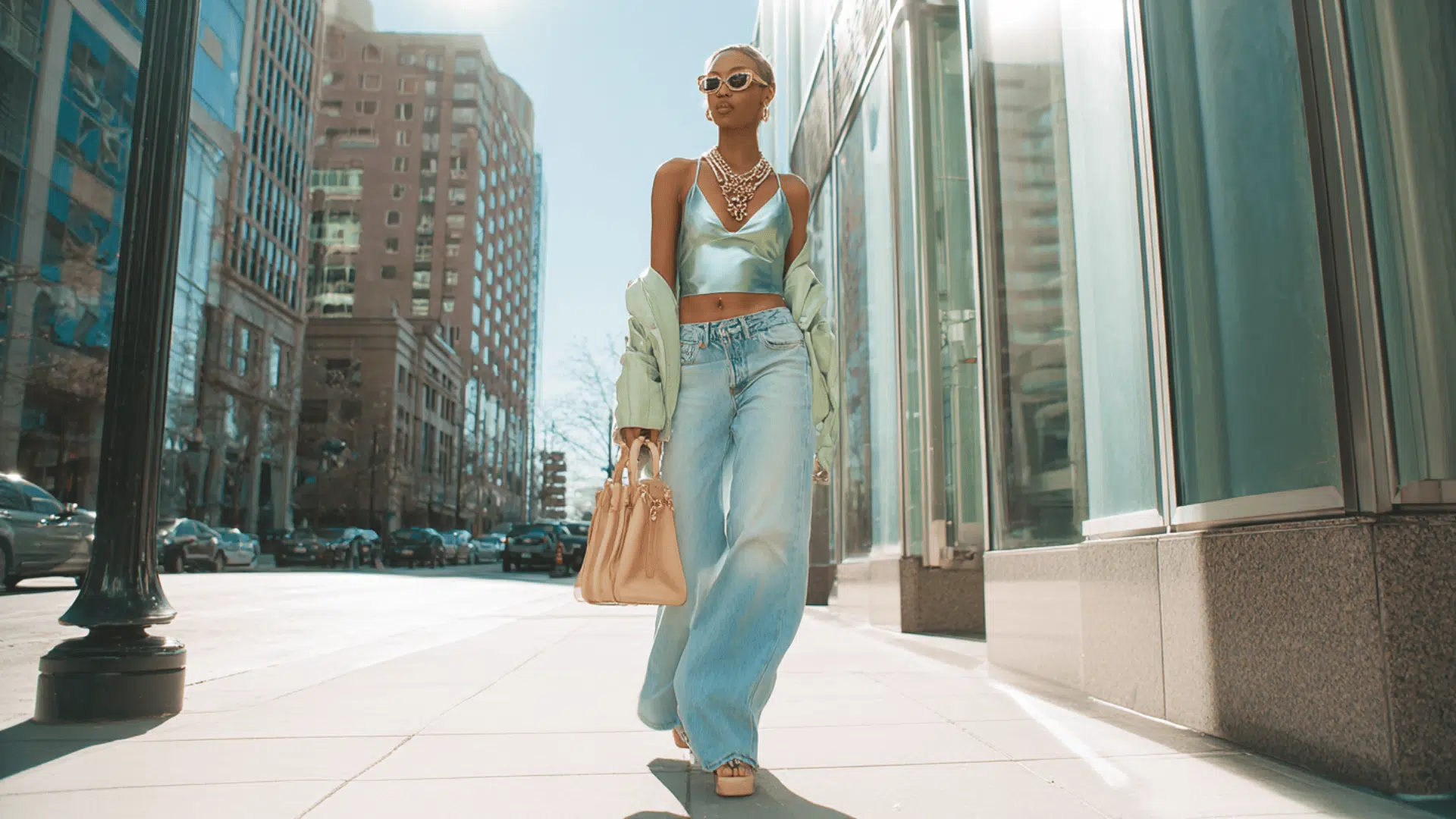
The smarter move is to borrow one part of a trend instead of wearing the whole thing. If wide-leg pants are everywhere, test the shape in denim before buying three pairs of trousers. If bright red keeps showing up, try it through a belt, bag, nail color, or lightweight sweater before making it your whole outfit.
This editing habit protects your closet from becoming a trend graveyard. It also keeps your clothes feeling current without making you look like you are auditioning for a feed. Real style has a pulse, but it does not panic.
Confidence Comes From Dressing With Context
Clothes send signals before you speak, but the strongest signal is alignment. When your outfit fits the setting and still feels like you, confidence becomes easier to access. Confident outfits work because they remove small doubts. You are not tugging at a sleeve, questioning a shoe, or wondering whether you overdressed for the room.
Dressing Well for Work, Weekends, and Social Plans
Workwear in the United States has changed, but it has not disappeared. Offices may be more relaxed, remote work may be common, and sneakers may appear in meeting rooms, yet people still notice care. A knit polo with tailored trousers can feel more current than a stiff shirt and tie. A clean cardigan over a tank can look more thoughtful than a wrinkled blouse.
Weekend dressing needs the same attention, only with a softer hand. A coffee run outfit can still have shape. A grocery store look can still feel pulled together. Matching sweats, structured denim jackets, clean trainers, and neat caps all prove that ease does not have to mean giving up.
Social plans bring another layer because mood matters. Dinner with friends, a birthday gathering, a casual date, or a neighborhood event each calls for a different level of polish. The trick is to choose one piece with presence, then keep the rest grounded. That might mean bold earrings with a black dress, a textured jacket over jeans, or loafers with a relaxed skirt.
Everyday Wardrobe Choices That Respect Your Body
A closet should support the body you have now. Too many people keep clothing that belongs to an older version of themselves, then wonder why getting dressed feels tense. Those pieces are not motivation. Often, they are background noise.
Better everyday wardrobe choices begin with honesty. If a waistband digs, a shoulder seam pulls, or a fabric makes you sweat through normal errands, the item is not serving you. Style should not require constant negotiation with discomfort.
This does not mean choosing shapeless clothing. It means choosing structure where it helps and softness where your body needs ease. A wrap dress, straight-leg jean, ribbed tank, open shirt, or cropped jacket can create shape without punishment. Comfort and polish are not enemies. Bad design made people think they were.
A Signature Look Grows From Small Style Rules
A signature look does not mean wearing the same outfit forever. It means building a set of personal rules that make your clothes recognizable without feeling rigid. Some people become known for crisp sneakers. Others lean into gold jewelry, relaxed tailoring, western boots, sharp coats, soft neutrals, or color-blocked layers. The point is not costume. The point is consistency with room to breathe.
Confident Outfits Need One Clear Focal Point
The fastest way to make an outfit feel intentional is to give the eye one main place to land. Confident outfits often fail when every piece tries to be the star. A patterned jacket, metallic shoe, bright bag, sculptural earring, or bold lip can work beautifully, but stacking all of them at once can make the outfit feel restless.
A clear focal point gives the rest of the look a job. If the jacket has texture, keep the pants clean. If the shoes carry color, let the top stay calm. If the jewelry is strong, avoid a neckline that competes for the same attention.
This rule helps across budgets. A $30 thrifted jacket can anchor an outfit if everything around it supports the choice. A luxury bag can look confused if the rest of the outfit has no direction. Price does not create focus. Editing does.
American Style Trends Work Best With Personal Anchors
Trends become easier to wear when you pair them with your anchors. Maybe your anchor is dark denim, white sneakers, silver hoops, black boots, camel coats, or navy sweaters. These pieces make new items feel less foreign because they connect change to something familiar.
American style trends often gain traction through contrast. Western belts with city trousers. Athletic sneakers with dresses. Vintage varsity jackets with tailored pants. Coastal knits worn far from the beach. The mix works because American dressing has always borrowed from work, sport, music, school, and regional culture.
The danger is letting trends erase your own eye. Keep a short list of what always feels like you, then judge new pieces against that list. If a trend cannot sit beside your anchors, it probably belongs to someone else’s closet.
Conclusion
Style becomes powerful when it stops asking for permission. You do not need a perfect body, a designer budget, or a closet built around every new drop to dress with authority. You need attention, repetition, and the courage to retire pieces that keep making you feel slightly off. The best wardrobes are not frozen; they adapt as your work, city, body, and taste change. That is where personal style earns its value, because it gives you a way to meet your life with more steadiness and less noise. Start with the clothes you wear most, improve the fit, build around your real schedule, and add personality where it feels honest. Open your closet today, choose five pieces that make you feel most like yourself, and build the next week around them. A better-dressed life begins with the next outfit, not the next shopping spree.
Frequently Asked Questions
What are the best modern fashion habits for everyday confidence?
Start by planning outfits around your real schedule, not an ideal version of your day. Choose clothes that fit well, move comfortably, and work across common situations. Confidence grows when your outfit supports your life instead of demanding constant fixing.
How can I improve my personal fashion sense without buying more clothes?
Look at what you already wear most often and study why it works. Better styling, tailoring, layering, and color pairing can refresh familiar pieces. Removing clothes that never feel right often improves your wardrobe faster than adding new items.
What everyday wardrobe choices make outfits look more polished?
Clean shoes, better-fitting pants, neat layers, and simple accessories create fast polish. Choose fabrics that hold shape and colors that pair easily. Small details matter because people notice overall care before they notice individual price tags.
How do confident outfits differ from trendy outfits?
Confident outfits fit your body, setting, and personality. Trendy outfits mainly reflect what is popular at the moment. The best looks may include trends, but they never depend on them. Confidence comes from alignment, not from copying what everyone else is wearing.
Which American style trends are easiest to wear daily?
Relaxed tailoring, clean sneakers, straight-leg denim, soft knits, utility jackets, and minimal accessories are easy to fold into daily outfits. These trends work because they balance comfort with structure, making them practical for work, errands, travel, and casual plans.
How can I find a signature clothing style that feels natural?
Notice the pieces you wear when you want to feel most like yourself. Look for repeated colors, shapes, fabrics, or accessories. A signature style grows from patterns you already trust, then becomes stronger as you edit away what feels forced.
What fashion habits help reduce outfit stress in the morning?
Prepare a few reliable outfit formulas before the week begins. Keep go-to combinations ready for work, errands, social plans, and relaxed days. Morning stress drops when you stop making every clothing decision from zero.
How often should I update my wardrobe for better style?
Review your wardrobe every season, but update only when your needs change or key pieces wear out. Strong style does not require constant shopping. A few thoughtful additions each season can keep your closet current without making it crowded.

Related Posts

Despite Constant Change Certain Principles Never Lose Their Value
Small Daily Decisions That Create Lasting Positive Change