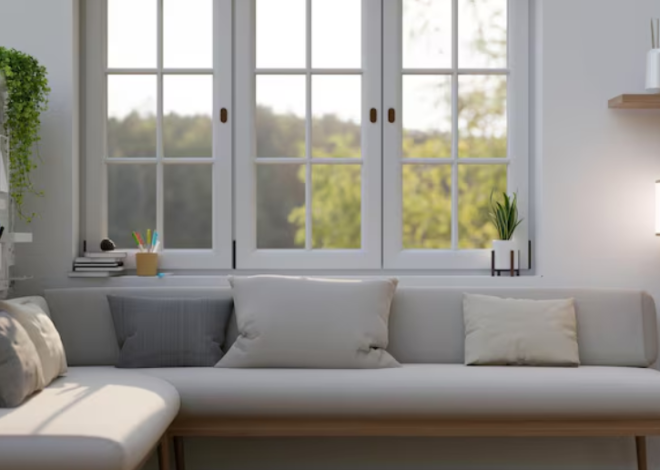

Cozy Apartment Styling for Comfortable Urban Living
A small apartment can expose every weak design choice fast. One bulky sofa, one cold overhead light, one cluttered corner, and the whole place starts feeling less like a home and more like a storage unit with rent attached. That is why cozy apartment styling matters so much for urban living in the USA, where renters and homeowners often have to make tight rooms work harder than they were built to work.
Comfort does not come from filling every wall or chasing showroom perfection. It comes from smart choices that make your space feel warmer, calmer, and more personal without stealing your floor plan. A soft lamp near the sofa. A real dining corner, even if it fits only two chairs. A textured rug that tells your feet, yes, this is home.
Many apartment dwellers also use design inspiration from lifestyle and home improvement resources like modern living ideas for better everyday comfort when they want a space that feels intentional instead of thrown together. The real goal is simple: build a place that welcomes you back at the end of a loud day and helps you live better inside the square footage you already have.
Apartment Styling That Starts With Comfort, Not Clutter
A cozy apartment fails the moment comfort turns into crowding. The trick is not to own less for the sake of looking minimal. The trick is to keep the pieces that earn their place, then give them enough breathing room to make the home feel settled.
Choose Furniture That Fits the Way You Actually Live
A city apartment should never be planned around a fantasy version of your life. If you eat on the sofa most nights, a giant formal dining table is not honest. If you work from home three days a week, a tiny decorative desk that hurts your back is not charming. It is punishment with legs.
Start with the habits that repeat every week. Where do you drop your keys? Where do you drink coffee? Where do shoes pile up? These little pressure points show you what the apartment needs before any mood board does. A slim console by the door can solve more daily frustration than a trendy accent chair no one uses.
The best furniture feels almost invisible because it supports your routine without demanding attention. A storage ottoman can hold blankets, games, or off-season throws. A loveseat with raised legs makes the floor look more open. A round coffee table softens tight walking paths better than a sharp-edged rectangle.
Use Scale Like a Design Tool
Small apartments do not always need small furniture. That advice sounds sensible, but it often creates rooms filled with weak little pieces that never anchor the space. One proper sofa can make a living room feel calmer than three undersized chairs fighting for attention.
Scale works when you give each major item a role. A tall bookcase can pull the eye upward and make low ceilings feel less oppressive. Long curtains hung near the ceiling can make a basic rental window look taller. A large rug can connect the seating area so the room feels planned instead of scattered.
The mistake is buying pieces one by one without checking how they speak to each other. A chunky sofa, heavy coffee table, thick media console, and oversized floor lamp can make even a decent apartment feel squeezed. Pick one visual heavyweight, then let the rest support it quietly.
Warm Lighting Creates the Mood Urban Apartments Often Lack
Most apartments come with lighting that feels like it was chosen by someone who never planned to relax there. One ceiling fixture tries to do everything, and it usually does everything badly. Good lighting changes the emotional temperature of a home before you move a single chair.
Layer Lamps Instead of Depending on Overhead Light
Overhead lighting is useful when you clean, pack, or search for a missing earring. It is not the light you want when you sit down after work. A cozy room needs layers because real life has different moods across the day.
Place a table lamp near the sofa, a floor lamp in a dim corner, and a small lamp on a dresser or shelf. This lets you control the room instead of accepting one harsh setting. Warm bulbs help too. In many apartments, switching from cold white bulbs to warm white bulbs makes the room feel softer within minutes.
The counterintuitive part is that darker corners are not always bad. A room with every inch evenly lit can feel flat. Soft pools of light create depth, and depth makes a small apartment feel richer than its square footage suggests.
Make Windows Work Harder During the Day
Natural light is one of the few luxuries that does not take up space. If your apartment gets good sunlight, treat it like part of the design. Keep window areas open, avoid blocking glass with bulky furniture, and choose curtains that filter light instead of killing it.
Sheer curtains can soften direct glare while keeping the room bright. Linen-look panels add texture without making the window feel heavy. In a north-facing apartment, mirrors placed near windows can help bounce light into darker corners, though they should never face clutter unless you want twice the mess.
A real example makes this clear. A narrow living room with one window can feel gloomy if the sofa blocks half the light and dark curtains sit tight against the frame. Move the sofa a few inches, widen the curtain rod, choose lighter fabric, and suddenly the same room breathes better. No renovation needed.
Texture Makes Small Spaces Feel Personal and Lived-In
Color gets most of the attention, but texture does more of the emotional work. Smooth walls, flat cabinets, plain floors, and basic blinds can make an apartment feel temporary. Texture gives the space memory. It tells the room to stop feeling like a unit and start feeling like yours.
Mix Soft Materials Without Making the Room Messy
A cozy apartment needs touchable surfaces. A woven throw, cotton curtains, a wool-style rug, and a few pillow covers can warm up a room faster than another piece of wall art. The key is restraint. Too many soft layers can make the apartment feel dusty and crowded.
Pick two or three main textures per room. In a living room, that might mean a low-pile rug, a boucle-style pillow, and linen curtains. In a bedroom, it could be a quilted coverlet, smooth cotton sheets, and a woven basket near the closet. The mix matters more than the price.
Soft materials also help with sound. Many urban apartments have hard surfaces that bounce noise around, especially in newer buildings. Rugs, curtains, upholstered seating, and fabric wall hangings can reduce echo and make the home feel calmer. You notice it most at night, when the room finally stops feeling sharp.
Add Character Through Objects With a Story
Decor should not look like it arrived in one online cart. A home feels warmer when the objects carry some trace of your life: a framed photo from a weekend trip, a bowl from a local market, a stack of books you have actually opened, or a print that reminds you of a street you miss.
This does not mean every shelf needs a personal shrine. It means the apartment should not feel anonymous. One strange little object with a story can do more for a room than five matching accessories from a big-box aisle.
The hard part is editing. Keep the items that still mean something and remove the ones that only fill space. A shelf with six good objects feels confident. A shelf with twenty random items feels like it has not made up its mind.
Smart Storage Keeps Cozy From Turning Chaotic
Cozy and messy are not the same thing. A warm apartment still needs order, especially when the entry, kitchen, office, and living room are all competing inside the same few rooms. Storage is not about hiding your life. It is about giving your life a place to land.
Build Drop Zones for Daily Clutter
Most clutter is not a personality flaw. It is a design failure. If mail, keys, bags, chargers, and shoes have no assigned home, they will choose the nearest flat surface and take over. That is how a clean apartment becomes visually noisy by Wednesday.
Create drop zones where clutter naturally appears. A small tray near the door can hold keys and sunglasses. A wall hook can rescue jackets from chair backs. A basket near the sofa can hold blankets or kids’ toys. These are not glamorous choices, but they protect the room from daily collapse.
The best drop zones are easy to use. If you need to open three lids or walk across the apartment, you will not use the system for long. Storage should match human laziness. That is not an insult. That is good design.
Hide Practical Items Without Erasing Daily Life
A comfortable home still has cords, cleaning supplies, paperwork, laundry, and spare toilet paper. Pretending those things do not exist creates fake design. Better storage accepts real life and makes it easier to manage.
Use closed storage for items that create visual stress. Open shelving works for books, ceramics, and baskets, but it can look chaotic when filled with medicine, documents, cables, and random packaging. A cabinet, lidded box, or under-bed bin can calm the room fast.
There is also freedom in not hiding everything. A beautiful broom on a hook, a neat stack of towels, or a coffee station on the counter can feel lived-in rather than messy. The line is intention. When something looks placed, it belongs. When it looks abandoned, it becomes clutter.
Conclusion
A comfortable apartment is not built by copying someone else’s room. It is built by noticing how your own space behaves at 7 a.m., 6 p.m., and late at night when the city finally quiets down. The best choices usually feel practical first and beautiful second, then somehow become both.
That is the real strength of cozy apartment styling. It turns small compromises into smart decisions. It helps a rented room feel rooted, a narrow kitchen feel workable, and a plain bedroom feel like a retreat instead of a place where furniture happens to sit.
Start with one corner that bothers you every day. Fix the light, clear the surface, add texture, or choose one better storage habit. Small rooms respond quickly when you stop fighting them and start listening to them. Build comfort one honest choice at a time, and your apartment will stop feeling temporary before you know it.
Frequently Asked Questions
How can I make a small apartment feel cozy without adding clutter?
Focus on soft lighting, fewer stronger furniture pieces, and storage that fits your habits. A rug, warm lamp, textured throw, and clear drop zone near the entry can change the mood without crowding the room.
What colors work best for comfortable urban apartment living?
Warm neutrals, muted greens, soft browns, creamy whites, and gentle clay tones work well because they calm the eye. Deeper accent colors can add depth, but keep them controlled so the apartment does not feel smaller.
How do I style a rental apartment without permanent changes?
Use plug-in wall lights, removable wallpaper, peel-and-stick backsplash panels, area rugs, tension rods, and freestanding shelves. These upgrades add personality without damaging walls, floors, or cabinets, which matters when your lease limits changes.
What furniture should every cozy apartment include?
A comfortable sofa or lounge chair, a proper bed, flexible storage, useful lighting, and a surface for eating or working should come first. Decorative pieces can wait until the apartment supports daily life without frustration.
How can lighting improve a small apartment layout?
Layered lighting separates zones without building walls. A floor lamp can define a reading corner, a table lamp can soften the living area, and under-cabinet lights can make a compact kitchen feel more usable.
What is the easiest way to make an apartment bedroom feel warmer?
Start with bedding texture, bedside lighting, and curtain softness. A layered bed, warm bulb, small rug, and uncluttered nightstand can make the bedroom feel calmer even when the room itself is small.
How do I decorate an open-plan apartment without making it look busy?
Use rugs, lighting, and furniture placement to create clear zones. Keep the color palette connected across the space, then vary texture instead of adding too many competing colors, patterns, or decor themes.
Can budget decor still make an apartment feel stylish?
Yes. Paint-free changes like thrifted lamps, secondhand wood furniture, washable rugs, framed prints, and better curtains can make a strong difference. Style depends more on editing and placement than expensive purchases.
Source prompt referenced from the uploaded file.