
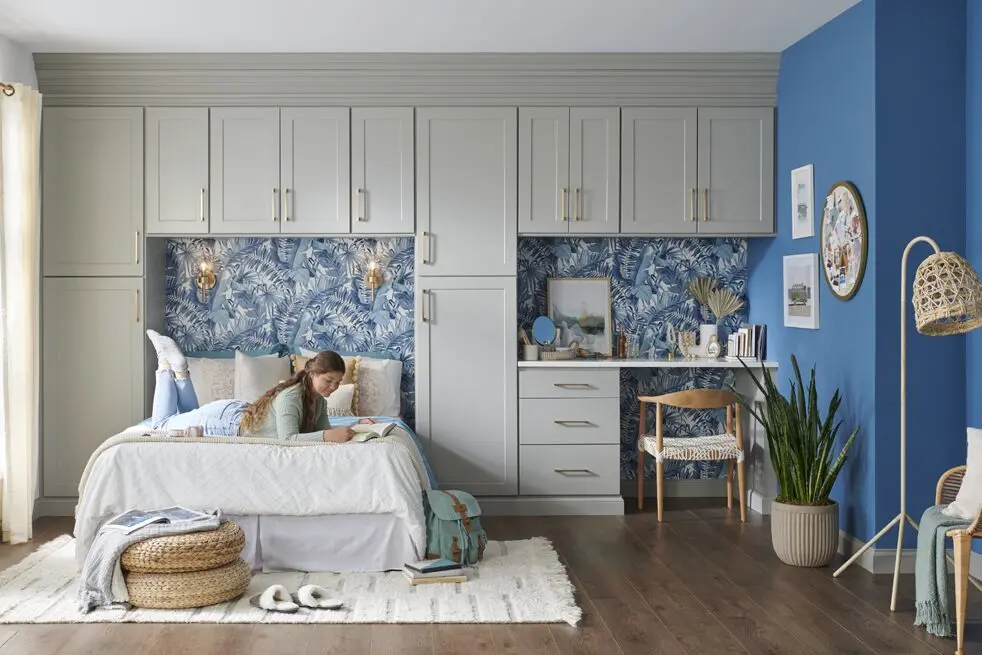
Home Storage Planning for Better Space Management
A cluttered home rarely becomes cluttered in one dramatic afternoon. It usually happens drawer by drawer, shelf by shelf, until everyday life starts feeling tighter than the square footage says it should. Home Storage Planning gives you a way to stop reacting to the mess and start shaping your rooms around how you live. In many American homes, the problem is not a lack of bins, baskets, or closet space. The real problem is that storage decisions happen after the room is already frustrated. A mudroom becomes a dumping zone. A pantry turns into a guessing game. A bedroom closet holds five different seasons because nobody wants to make the hard call. Good storage is not about hiding more stuff. It is about making better choices easier. When you plan storage around movement, habits, and daily pressure points, your home starts working with you instead of quietly fighting you. For homeowners who care about smarter living and practical home improvement ideas, organized home solutions can help turn wasted space into useful space without making the house feel stiff or overdesigned.
Home Storage Planning Starts With How Your Household Actually Moves
Storage fails when it is designed for a fantasy version of the household. A family that drops shoes by the garage door will not suddenly walk across the house to a bedroom closet because a pretty organizer exists there. The better move is to study where clutter lands, then build storage close to that behavior. That sounds simple. Most people skip it.
Why entry points control the whole home
The front door, garage entry, and side entrance set the tone for the rest of the house. If bags, coats, keys, pet leashes, sports gear, and mail have no landing place, the mess travels deeper. It reaches the kitchen counter first. Then the dining table. After that, nobody knows where anything belongs.
A strong entry zone does not need a custom mudroom. A narrow wall with hooks, a shoe tray, a small bench, and one drawer for daily items can do more than a large closet nobody uses. The goal is not beauty first. The goal is capture. Catch the mess before it spreads.
American homes with busy mornings need storage that handles speed. Kids will not open five drawers before school. Adults will not sort mail into color-coded files after a long commute. Give each person a defined place, make it visible, and keep the steps low. Storage that asks too much gets ignored.
How traffic paths reveal hidden storage mistakes
Walkways tell the truth. If laundry piles up in the hallway, the hamper is in the wrong place. If pantry overflow sits on the floor, the shelves are not matched to buying habits. If tools end up on the kitchen island, the garage storage is too hard to reach or too packed to use.
This is where many homeowners buy the wrong solution. They buy containers before they understand the pattern. A container can organize a bad habit for one week, but it cannot fix a layout problem. The smarter approach is to watch where items stop moving, then ask why they stopped there.
One counterintuitive rule works well: store items where they are used, not where they “should” belong. Batteries near the junk drawer make sense if that is where remotes get handled. Cleaning supplies upstairs make sense if bathrooms are upstairs. A home feels calmer when storage follows life instead of fighting it.
Build Storage Zones Around Real Categories, Not Random Rooms
Once you understand movement, the next step is sorting by purpose. Rooms matter, but categories matter more. A closet packed with holiday decor, old paperwork, shoes, towels, and spare cords is not a storage area. It is a delay chamber for decisions nobody wanted to make.
Why category-based storage beats room-by-room cleanup
Room-by-room cleaning feels productive because the room looks better for a moment. The problem returns when the same category lives in five different places. You buy another pack of light bulbs because some are in the laundry room, some are in the garage, and three are hiding behind towels.
Category-based storage fixes that waste. Keep gift wrap in one zone. Keep tools in one zone. Keep backup toiletries in one zone. When the whole category has a clear home, you stop shopping your own house like a confused stranger.
This matters even more in smaller homes and apartments. Limited space punishes scattered storage. One clear shelf for paper goods beats three random cabinets with half-used packs. One bin for seasonal candles beats a drawer full of forgotten extras. Order grows when decisions become obvious.
What belongs in prime storage space
Prime storage space is the easy-to-reach area between your shoulders and knees. That space should hold the items you use often. Too many homes waste prime zones on rare items while daily objects get shoved high, low, or behind something annoying.
Put everyday dishes, lunch containers, cleaning sprays, school supplies, and work essentials where hands naturally reach. Move turkey platters, guest bedding, seasonal wreaths, and keepsake boxes to higher shelves, lower cabinets, basement racks, or labeled garage bins. Frequency should decide location.
The hard part is emotional. People keep low-use items in top-tier spots because those items feel valuable or expensive. Value does not equal access. A crystal bowl used twice a year does not deserve the same shelf as the cereal bowls used every morning. Storage becomes smarter when frequency outranks guilt.
Design Closets, Cabinets, and Shelves for Decisions You Can Maintain
A storage plan only works if you can keep using it after the first weekend. That is where many picture-perfect systems fall apart. They look sharp in photos but demand too much maintenance from actual people with jobs, kids, pets, errands, and tired evenings.
How closet systems should match daily pressure
Closets need fewer mysteries. When a bedroom closet holds clothes that fit, match the current season, and reflect the life you live now, mornings feel lighter. When it holds old sizes, broken hangers, dry-cleaning bags, and mystery boxes, every outfit decision begins with friction.
A useful closet system has three layers: daily access, occasional access, and deep storage. Daily clothes stay visible and reachable. Occasional pieces, such as formalwear or travel gear, sit to the side or higher up. Deep storage holds out-of-season items in labeled bins, but only if those items still deserve a place in the home.
Home Storage Planning becomes powerful inside closets because closets expose every postponed decision. You can install shelves, rods, and drawers, but the system will still fail if it holds too much. The best closet upgrade is often subtraction before installation.
Why cabinets need breathing room
Kitchen and bathroom cabinets need open space to work well. A packed cabinet may look efficient, but it slows every task. You pull out three things to reach one. You forget what you own. You knock over the small bottle behind the tall one, then promise to fix it later.
Leave breathing room on purpose. A shelf that is 80 percent full works better than one packed edge to edge. It lets hands move. It lets eyes scan. It lets new groceries or toiletries enter without causing a small avalanche.
American households often buy in bulk to save money, especially from warehouse stores. Bulk buying only saves money when storage can absorb it without chaos. A hallway closet filled with paper towels may be fine. A bathroom vanity stuffed with twenty products no one can reach is not storage. It is buried inventory.
Make Small Spaces Work Hard Without Making Them Feel Crowded
Small spaces need discipline, not punishment. The goal is not to turn every wall into a storage wall or every piece of furniture into a hidden compartment. That can make a home feel like a puzzle box. The better path is to choose storage that earns its footprint and still lets the room breathe.
How vertical space can help without overwhelming the room
Walls often hold more potential than floors. Tall bookcases, floating shelves, peg rails, over-the-door racks, and wall-mounted cabinets can rescue a room from floor clutter. The trick is restraint. Every vertical storage choice should support the room, not shout over it.
A small laundry room can gain serious function with one wall-mounted shelf above the machines, hooks for hang-dry items, and a slim rolling cart beside the washer. A home office can stay clean with a single cabinet that hides paperwork instead of open shelves that display every loose folder.
Vertical storage works best when heavier visual items stay low and lighter items rise. Baskets, boxes, and bulky supplies near eye level can make a room feel crowded fast. Keep upper storage simple, consistent, and calm. Space management is not only physical. It is visual too.
Why multi-use furniture needs a clear job
Storage ottomans, lift-top coffee tables, beds with drawers, and benches with compartments can help, but they should not become junk traps. Hidden storage attracts random items because nobody sees the problem building. Then one day the ottoman contains old chargers, blankets, dog toys, receipts, and one birthday candle.
Give each multi-use piece one job. The storage bench by the door holds shoes. The ottoman holds blankets. The under-bed drawers hold off-season clothing. When hidden storage has a single category, it stays useful. When it accepts everything, it becomes the place where useful items go missing.
Small homes reward firm boundaries. They do not need more hiding places as much as they need clearer choices. A compact room can feel generous when every storage piece has a purpose, every surface has breathing room, and every item has a place that makes sense.
Conclusion
A better-organized home does not come from buying the newest container or copying a closet photo online. It comes from paying attention to the way your household already behaves, then shaping storage around that truth. The best systems feel almost invisible because they remove small daily decisions before those decisions become irritation. That is the real value of Home Storage Planning: it turns your home from a series of clutter problems into a place that supports your routines.
Start with the place that annoys you most. Not the whole house. Not every closet. Pick one pressure point, watch how items move through it, remove what no longer belongs, and build a simple storage answer close to the action. One solved zone creates momentum. Two solved zones change the mood of the house.
Treat storage as a living system, not a weekend project, and your space will keep paying you back every day.
Frequently Asked Questions
How do I start planning home storage without feeling overwhelmed?
Start with one area that causes daily frustration, such as the entryway, pantry, or bedroom closet. Remove items that do not belong, group what remains by category, then assign storage based on how often each item gets used.
What are the best storage ideas for small American homes?
Wall shelves, under-bed drawers, storage benches, slim carts, and labeled bins work well when space is tight. The key is choosing fewer pieces with clear jobs instead of adding storage everywhere and making the room feel crowded.
How can I make my closet easier to organize?
Keep daily clothing at eye level, move off-season items into labeled bins, and remove anything that no longer fits your current life. A closet works better when it holds fewer decisions, not more hangers.
Should storage containers match throughout the house?
Matching containers can make open shelves look calmer, but function matters more than appearance. Choose containers based on size, access, and category. Clear bins work well for hidden areas, while baskets suit visible rooms.
How often should I update my home storage system?
Review busy storage zones every three to six months. Entryways, pantries, closets, and bathrooms change as seasons, schedules, and shopping habits shift. A short reset prevents clutter from rebuilding into a larger problem.
What items should go in easy-to-reach storage areas?
Daily-use items deserve the best storage space. Keep dishes, school supplies, work items, toiletries, cleaning products, and everyday clothing within easy reach. Rarely used items should move higher, lower, or farther away.
How do I stop hidden storage from becoming junk storage?
Give every hidden compartment one clear purpose. An ottoman can hold blankets, a bench can hold shoes, and under-bed drawers can hold seasonal clothes. Mixed storage turns hidden spaces into clutter caves fast.
What is the biggest mistake people make with home organization?
Most people buy organizers before studying the problem. Storage tools help only after you know what you own, where clutter gathers, and which habits cause the mess. Planning comes first. Products come later.