
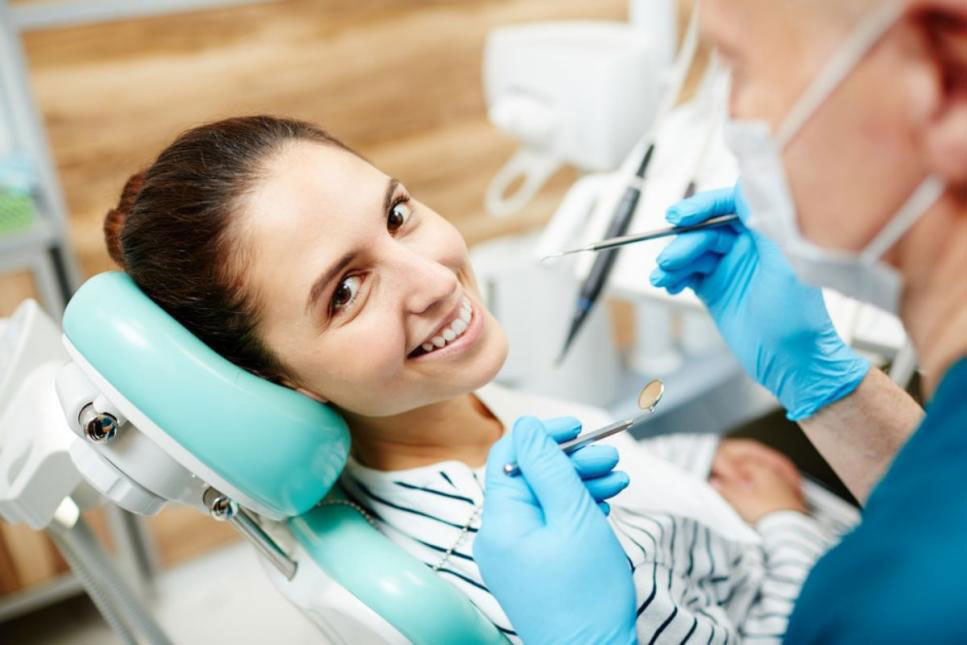
Dental Care Practices for Strong Healthy Teeth
A healthy smile does not fall apart overnight. It usually slips away through tiny daily choices: rushed brushing, sweet coffee sipped for hours, skipped flossing, and dental visits pushed behind work, school, and family bills. For many Americans, Dental Care Practices matter because oral health is not separate from everyday life; it shapes how you eat, speak, sleep, work, and show up in public. The basics still win: brush twice a day with fluoride toothpaste, clean between your teeth daily, limit added sugar, and keep regular dental checkups when your dentist recommends them. The American Dental Association and CDC both point to these habits as core steps for protecting teeth and gums.
Good oral care also deserves better public conversation. Teeth are not vanity objects. They are working tools that handle meals, stress, bacteria, medication side effects, and decades of wear. A strong routine gives you more than a bright smile; it gives you fewer surprises, fewer painful appointments, and more control over your health. For readers building wellness content or patient education, trusted health communication platforms such as digital health awareness resources can help connect practical guidance with people who need it.
Dental Care Practices That Build a Strong Daily Foundation
The best mouth care routine is not dramatic. It is boring in the most useful way. Strong teeth usually come from repeated habits that remove plaque before it hardens, protect enamel before acid weakens it, and catch small problems before they become expensive ones.
Brushing Technique for Daily Oral Hygiene
A toothbrush can only help when it reaches the right places. Many people brush the front teeth well because they are easy to see, then rush the gumline, back molars, and tongue side of the lower teeth. That pattern leaves plaque exactly where cavities and gum irritation like to start.
The better move is to slow down and brush for two full minutes with fluoride toothpaste. The ADA recommends brushing twice daily for two minutes, and fluoride toothpaste helps lower cavity risk by supporting enamel repair. A soft-bristled brush also matters because hard scrubbing can irritate gums and wear enamel instead of protecting it.
Technique beats force. Hold the brush at a slight angle toward the gumline, use small motions, and cover the outer, inner, and chewing surfaces. If you finish with bleeding gums, sore spots, or a frayed toothbrush after a few weeks, your brushing style may be too aggressive.
Flossing Habits for Healthy Teeth
Flossing has a reputation problem because people treat it like a dental guilt test. That misses the point. Cleaning between teeth reaches narrow spaces where toothbrush bristles cannot work well, which is why the CDC recommends flossing daily as part of good oral hygiene.
The right tool is the one you will actually use. Traditional floss works well for tight contacts, floss picks help when you are tired, and interdental brushes may feel easier around wider gaps, bridges, or braces. Perfection is less useful than consistency.
Bleeding during flossing often scares people away, but gums that bleed may already be inflamed. Gentle daily cleaning can help the tissue calm down over time. Pain, swelling, or bleeding that continues deserves a dental visit, not guesswork at home.
Food, Drinks, and Timing Shape Your Smile More Than You Think
A clean mouth still struggles when it faces constant acid and sugar. The issue is not one cookie or one soda. The issue is frequency. Teeth handle meals better than all-day snacking because saliva needs quiet time to neutralize acids and support enamel.
How Sugary Snacks Affect Tooth Enamel
Sugar feeds the bacteria that make acid on teeth. That acid attacks enamel, and repeated exposure gives the tooth less time to recover. The CDC advises adults to avoid foods and drinks with added sugar as much as possible because they contribute to oral disease and other chronic conditions.
The sneaky habit is not always dessert. It may be sweet tea in the afternoon, flavored coffee during a commute, sports drinks after errands, or sticky snacks packed for kids. A candy bar eaten with lunch may do less harm than a sweet drink sipped across three hours.
A smarter routine does not require a joyless diet. Keep sweets closer to meals, drink water afterward, and avoid turning your desk, car, or couch into a slow sugar station. Teeth can handle treats better when treats have an ending.
Fluoride Water and Smart Drink Choices
Water is the quiet hero of oral health. Fluoridated tap water supports teeth, rinses away food particles, and helps the mouth recover after meals. The CDC recommends drinking fluoridated tap water and brushing with fluoride toothpaste for adult oral health.
Acidic drinks deserve respect even when they have no sugar. Citrus waters, energy drinks, soda, and some flavored beverages can soften enamel when they show up all day. The problem grows when people brush right after acidic drinks because softened enamel needs time before brushing pressure.
Plain water between meals is a simple upgrade. It does not stain, dry the mouth, feed plaque, or bathe enamel in acid. That sounds almost too plain to matter, which is exactly why people underestimate it.
Gum Health Is the Warning System People Ignore
Teeth get the attention, but gums often reveal the first trouble. Redness, swelling, bleeding, bad breath, and tenderness are not personality flaws or random annoyances. They are signals from tissue that supports the teeth.
Gum Disease Prevention Starts Before Pain
Gum disease can develop quietly because early irritation may not hurt. That is why waiting for pain is a poor plan. By the time discomfort becomes obvious, the problem may already need more than a simple cleaning.
Plaque at the gumline creates inflammation, and hardened tartar cannot be brushed away at home. Regular cleanings remove buildup in places daily tools miss. The CDC lists brushing twice daily, flossing daily, limiting high-sugar foods and drinks, and having at least a yearly dental checkup as actions that support oral health.
The counterintuitive part is that “no pain” does not always mean “no problem.” A patient can feel fine and still have gum pockets, tartar buildup, or early bone changes. A dental exam catches what the mirror cannot.
Bad Breath Can Reveal More Than Food Choices
Bad breath after garlic is normal. Bad breath that returns soon after brushing deserves attention. It may come from tongue coating, dry mouth, gum inflammation, cavities, tobacco, certain medicines, or sinus drainage.
Tongue cleaning helps because bacteria collect on the tongue’s surface. A gentle tongue scraper or toothbrush can reduce odor without harsh mouthwash. Alcohol-heavy rinses may feel strong, but they can also worsen dryness for some people.
Dry mouth deserves special care because saliva protects teeth. The National Institute of Dental and Craniofacial Research notes that drinking water, chewing sugarless gum, avoiding tobacco and alcohol, good home care, and regular dental checkups can help people manage dry mouth and protect oral health.
Professional Care Turns Small Problems Into Manageable Ones
Home care carries the daily load, but it cannot do everything. Dentists and hygienists see patterns you cannot see: tiny cracks, early decay, gum changes, bite wear, dry mouth signs, and oral tissue concerns. Skipping visits saves time in the moment and often costs more later.
Dental Checkups for Strong Healthy Teeth
Dental visits should match your risk, not someone else’s calendar. Some adults do well with routine preventive visits, while others need more frequent care because of gum disease, dry mouth, diabetes, smoking, pregnancy, braces, past cavities, or certain medications. The CDC recommends at least a yearly dental checkup and more visits when a health care provider advises it.
Insurance can shape behavior in the United States, and that is a hard truth. Many people delay appointments because coverage feels confusing or out-of-pocket costs feel unpredictable. Still, preventive visits often give you the chance to handle problems while they are smaller, less painful, and less costly.
Ask your dental office direct questions before treatment begins. Request a written estimate, ask what is preventive versus restorative, and find out whether fluoride treatments, sealants, night guards, or periodontal maintenance make sense for your risk level.
Mouthguards, Grinding, and Everyday Tooth Protection
Teeth do not only face cavities. They also face pressure. Night grinding, jaw clenching, nail biting, ice chewing, opening packages with teeth, and contact sports can chip enamel or strain the jaw.
A mouthguard matters for sports and high-risk activities, and the CDC includes mouthguard use as part of adult oral health protection. Custom guards from a dentist often fit better than boil-and-bite versions, especially for athletes or people who clench at night.
Grinding can be tricky because many people do it while sleeping. Morning jaw soreness, flattened tooth edges, headaches, or cracked fillings may point to nighttime pressure. A dentist can spot wear patterns and help you protect your bite before a small chip turns into a crown.
Conclusion
A strong mouth is built in the ordinary parts of the day. The toothbrush by the sink, the floss you keep visible, the water you choose after lunch, and the appointment you do not postpone all carry more power than a last-minute fix. Dental Care Practices work best when they feel simple enough to repeat even on busy weeks.
The smartest approach is not perfection. It is awareness. Notice where your routine breaks down, then repair that weak spot first. Maybe you brush well but never clean between teeth. Maybe you floss but sip sweet coffee for half the morning. Maybe you avoid the dentist until pain forces your hand.
Start with one change today and make it hard to skip. Put floss beside your toothbrush, switch one daily sweet drink to water, or book the dental visit you have been delaying. Your future smile will not care about your intentions; it will reflect what you practice.
Frequently Asked Questions
What are the best daily habits for strong healthy teeth?
Brush twice a day with fluoride toothpaste, clean between your teeth daily, drink water often, and limit added sugar. Keep regular dental visits based on your risk. These simple habits protect enamel, reduce plaque, and help stop small issues from becoming painful.
How often should adults visit the dentist in the USA?
Most adults need at least one dental checkup each year, while many benefit from visits every six months. People with gum disease, dry mouth, frequent cavities, diabetes, tobacco use, or braces may need more frequent care based on a dentist’s advice.
Why do my gums bleed when I floss?
Bleeding often points to irritated or inflamed gum tissue, especially when flossing has been inconsistent. Gentle daily cleaning may help gums improve, but bleeding that continues, worsens, or comes with swelling or pain should be checked by a dentist.
Is fluoride toothpaste safe for daily oral hygiene?
Fluoride toothpaste is widely recommended for daily brushing because it helps protect enamel and lower cavity risk. Use the right amount for age, avoid swallowing toothpaste, and follow your dentist’s guidance if you have special oral health needs.
What foods are worst for tooth enamel?
Sticky sweets, frequent sugary snacks, soda, sports drinks, and acidic drinks can raise the risk of enamel wear and cavities. The pattern matters too. Sipping or snacking all day exposes teeth to repeated acid attacks and gives saliva less recovery time.
Can dry mouth damage teeth?
Dry mouth can raise cavity and gum risk because saliva helps wash away food, balance acids, and protect oral tissue. Water, sugarless gum, avoiding tobacco and alcohol, and regular dental care can help reduce damage from ongoing dryness.
Are electric toothbrushes better than manual toothbrushes?
Electric toothbrushes can help people brush more evenly, especially if they rush or miss areas. A manual toothbrush can still work well with good technique. The best choice is the brush you use correctly for two minutes, twice a day.
How can I protect teeth if I grind them at night?
A dentist can check for wear marks, cracks, jaw strain, and bite issues. A custom night guard may protect teeth from grinding pressure. Stress control, avoiding chewing ice, and treating sleep-related concerns may also help reduce damage over time