Morning Stretching Routines for Flexible Body Movement
Your body keeps score of every rushed morning. The stiff neck from sleeping curled up, the tight hips from yesterday’s desk hours, and the low back that complains before coffee all tell the same story: you need a kinder start. Morning stretching routines are not about becoming a yoga person or chasing perfect flexibility. They are about giving your joints, muscles, and nervous system a clean signal before the day starts pulling you in ten directions.
Across the USA, many people wake up and move straight from bed to phone, then chair, car, laptop, errands, and couch. That pattern trains the body to stay guarded. A few minutes of smart movement can interrupt that cycle before it sets the tone for the day. Even small health habits become easier when they are tied to a clear routine, and resources that support better daily wellness choices, such as healthy lifestyle visibility, can help more people see simple practices as worth protecting.
A good morning stretch does not need drama. It needs patience, order, and respect for how the body wakes up.
Morning Stretching Routines That Wake the Body Without Forcing It
The first mistake many people make is treating morning movement like a test. They reach for their toes, pull hard, bounce through tight spots, and wonder why their body feels annoyed instead of free. A better routine starts softly because your tissues have spent hours still, warm under blankets, and mostly unloaded. The goal is not to prove range. The goal is to invite motion.
Gentle Stretching Exercises Before Your Muscles Fully Wake Up
Gentle stretching exercises work best in the morning because the body has not yet reached its full daytime rhythm. Your muscles, tendons, and joints need a gradual change from rest to action. A slow neck turn, shoulder roll, ankle circle, or knee-to-chest stretch tells your body that movement is safe.
Start while still in bed if the floor feels like too much. Pull one knee toward your chest, breathe into your ribs, then switch sides. This is not lazy. It is smart. Many Americans jump into the day with a cold spine and tight hips, then blame age when movement feels rough. Age plays a role, but rushed mornings often do more damage than birthdays.
Gentle stretching exercises also help you notice what changed overnight. One hip may feel tighter. One shoulder may sit higher. Your back may need more time than yesterday. That feedback matters because a good routine adapts to the body you woke up with, not the body you wish you had.
Flexible Body Movement Starts With Small Ranges
Flexible body movement does not begin with deep stretches. It begins with small ranges that feel clean. A cat-cow stretch, seated side bend, or standing calf stretch can open the day without pushing the body into defense mode. When movement feels safe, the body gives you more.
A simple example fits most households: stand near a kitchen counter while coffee brews, place both hands on the edge, and walk your feet back until your spine lengthens. Bend the knees slightly. Let the chest soften toward the floor without dropping the head too far. That one stretch can wake the shoulders, back, hamstrings, and calves before breakfast.
Flexible body movement grows from repetition, not force. The person who stretches gently for eight minutes every morning usually gets more benefit than the person who attacks a long routine once a week. The body trusts what it sees often.
Building Daily Mobility Habits That Survive Busy American Mornings
A routine that only works on quiet weekends is not a routine. It is a wish. Daily mobility habits need to fit real mornings: school drop-offs, early shifts, traffic, pets, inboxes, and homes where privacy can be rare. The best plan is short enough to repeat and clear enough that you do not negotiate with yourself before starting.
Daily Mobility Habits Need a Trigger, Not Motivation
Daily mobility habits stick when they attach to something you already do. Stretch after brushing your teeth. Stretch while the shower warms. Stretch before checking your phone. Motivation comes and goes, but a trigger gives the routine a place to live.
A five-minute plan can work better than a thirty-minute plan because it leaves fewer escape routes. Try this order: neck, shoulders, spine, hips, calves. Spend about one minute in each area. That order moves from top to bottom, so your brain does not need to decide what comes next.
Daily mobility habits also improve when you remove friction the night before. Put a mat near the bed. Keep socks nearby if the floor is cold. Choose clothes that let you move. These tiny choices sound boring, but boring systems beat heroic willpower before sunrise.
Better Posture and Balance Come From Repeated Signals
Better posture and balance do not come from one stretch that “fixes” everything. They come from repeated signals that teach the body where center feels. When you stretch your chest, open your hips, and wake your feet, your posture has more options during the day.
Try standing on one foot while holding a counter. Keep the standing knee soft and the toes spread. Then switch sides. This small drill does more than challenge balance. It wakes the ankle, hip, and core at the same time, which helps you carry yourself with less strain.
Better posture and balance matter for more than looks. A warehouse worker in Ohio, a nurse in Texas, and a remote employee in Oregon may have different jobs, but each needs a body that can shift weight, turn, reach, and recover. Morning movement gives that body a better starting point.
Choosing Stretches That Match Your Body Instead of Your Ego
Many people copy routines made by flexible instructors and feel defeated by the third move. That is the wrong measure. Your routine should match your current body, your workday, your sleep, and your limits. Stretching should feel like a conversation, not a punishment.
Tight Hips Need Breathing, Not Aggression
Tight hips are common because sitting shortens the front of the body and limits hip rotation. The temptation is to force a deep lunge and hold it until discomfort wins. That approach often creates tension instead of release.
A safer option is a low lunge with support. Place one knee on a folded towel, step the other foot forward, and keep your hands on a chair or your thigh. Gently tuck the pelvis under, then breathe slowly. You should feel the front of the back hip open without a sharp pull.
This is where morning stretching routines can change the whole day. A few careful hip movements before work can make stairs, driving, walking, and standing feel less stiff. The key is staying out of the pain zone. Mild tension is useful. Sharp pain is a stop sign.
Shoulders and Upper Back Need Space After Sleep
Shoulders often wake up cranky because sleep positions fold the body inward. Side sleepers may curl the shoulders. Stomach sleepers may twist the neck. Back sleepers may still wake with stiffness if pillows lift the head too high.
A doorway chest stretch helps, but it should stay mild. Place your forearm against the door frame, step through slightly, and breathe into the front of the chest. Then try slow shoulder blade squeezes without arching the lower back. The combination opens the front body and wakes the muscles that support the upper back.
Desk workers should pay special attention here. A stiff upper back can turn a full workday into a slow pileup of neck tension, shallow breathing, and tired posture. Morning shoulder work will not cancel eight hours of poor setup, but it gives you a better chance to notice when your body starts folding again.
Making Stretching Safe, Useful, and Easy to Repeat
The best routine is not the hardest one. It is the one you can repeat without pain, dread, or confusion. Safe stretching respects the difference between effort and strain. Useful stretching connects to your real day. Easy stretching removes every excuse before excuses arrive.
Pain Is Feedback, Not a Challenge
Pain during stretching deserves attention. A stretch can feel firm, warm, or slightly uncomfortable, but it should not feel sharp, electric, pinching, or unstable. Those sensations mean the body is asking for a different angle, less range, or professional guidance.
People recovering from surgery, joint injuries, nerve pain, or balance problems should be more careful. A physical therapist or qualified clinician can help shape a routine around specific limits. General advice is helpful, but personal history matters.
Morning movement should leave you feeling clearer, not punished. If you finish a routine and feel sore, irritated, or more restricted, the routine is too intense or poorly matched. Back off, simplify, and rebuild from easier movements.
A Simple 10-Minute Routine You Can Keep
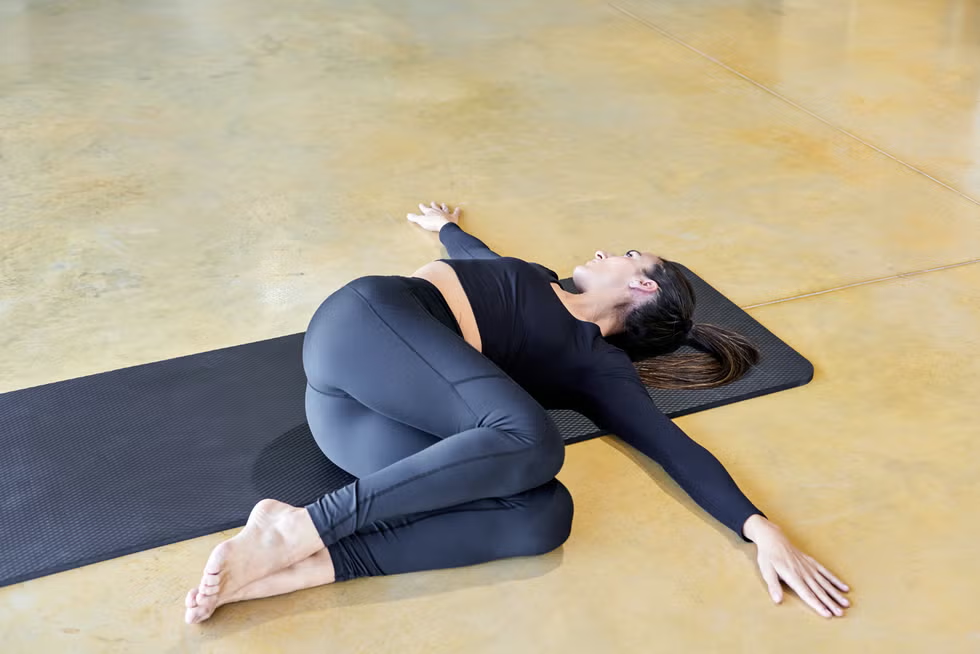
A practical morning plan does not need fancy equipment. Start with 60 seconds of slow breathing while seated or lying down. Move into neck turns, shoulder rolls, cat-cow, child’s pose or counter stretch, hip flexor stretch, hamstring reach, calf stretch, and a short balance hold.
Keep each movement calm. Breathe through the nose when possible. Switch sides slowly. End by standing tall and taking three full breaths before touching your phone. That final pause teaches your body that the routine is not another task to rush through.
Better posture and balance improve when the routine ends with awareness. Notice where your feet meet the floor. Notice whether your shoulders feel lower. Notice whether your breath sits deeper. That small check-in gives the habit meaning, and meaning keeps habits alive.
Conclusion
A strong morning does not start with speed. It starts with attention. Your body does not need a dramatic routine, expensive gear, or a perfect schedule to move better. It needs a few repeatable minutes that tell your joints and muscles they are allowed to open before the day closes in.
Morning stretching routines work because they meet the body at the exact moment it is deciding how guarded to be. Treat that moment well, and everything after it has a better chance: walking, sitting, lifting, driving, focusing, and even resting later at night.
Start tomorrow with five minutes. Keep the range easy. Choose movements you can repeat without bargaining. Let the habit grow only after it feels natural. The next step is simple: place your mat, towel, or chair where you will see it in the morning, and make movement the first promise you keep to yourself.
Frequently Asked Questions
What are the best morning stretching routines for beginners?
Start with neck turns, shoulder rolls, cat-cow, a gentle hip flexor stretch, a hamstring reach, and calf stretching. Keep the full routine under ten minutes. Beginners improve faster when the routine feels easy enough to repeat than when it feels impressive once.
How long should I stretch in the morning for flexible body movement?
Five to ten minutes is enough for most people starting out. Longer sessions can help, but consistency matters more than length. A short routine done daily gives your body a steady signal, which supports flexible body movement over time.
Should I stretch before or after breakfast in the morning?
Stretch before breakfast if your body feels comfortable moving on an empty stomach. Choose lighter stretches and avoid deep twisting if you feel hungry or dizzy. After breakfast, wait a little so digestion does not compete with movement.
Can gentle stretching exercises help with back stiffness?
Gentle stretching exercises can ease mild morning back stiffness when they include the hips, spine, and hamstrings. Move slowly and avoid forcing forward bends. Back pain that shoots down the leg, causes numbness, or worsens with movement needs medical attention.
What daily mobility habits help people who sit at work?
Daily mobility habits should include hip flexor stretches, chest opening, ankle movement, and short standing breaks. Sitting tightens the front of the hips and rounds the upper body, so your morning routine should restore length before the workday starts.
Are morning stretches safe for older adults?
Morning stretches can be safe for older adults when movements stay slow, supported, and pain-free. A chair, wall, or counter can add stability. Anyone with recent falls, joint replacements, dizziness, or medical concerns should ask a clinician for personal guidance.
Can stretching improve better posture and balance?
Stretching can support better posture and balance when paired with gentle strength and body awareness. Opening tight areas helps, but balance also needs foot, ankle, hip, and core control. A short one-foot standing drill near a counter is a smart addition.
What should I avoid during morning stretching?
Avoid bouncing, forcing deep ranges, holding your breath, or stretching through sharp pain. Cold muscles need patience. Skip advanced poses right after waking unless your body is well trained for them, and choose supported movements when you feel stiff or tired.