Kitchen Decor Inspiration for Stylish Cooking Environments
A kitchen can make daily life feel calm, rushed, creative, or chaotic before a single pan hits the stove. The room does more than hold cabinets and appliances; it shapes how breakfast starts, how family conversations happen, and how confident you feel cooking after a long workday. That is why kitchen decor inspiration matters for American homes where the kitchen often works as a prep zone, coffee station, homework counter, and gathering spot all at once. Good design does not mean chasing every trend or buying the most expensive finishes. It means building a room that looks pulled together while still helping you move, clean, store, and cook without friction. Many homeowners start by browsing smart home improvement ideas because the smallest choices often create the biggest shift: warmer lighting, better counter balance, cabinet hardware that feels current, or shelves that display without cluttering. The goal is not a showroom kitchen. The goal is a room that looks stylish because it works beautifully.
Kitchen Decor Inspiration Starts With a Clear Visual Direction
A stylish kitchen falls apart when every choice competes for attention. One person falls in love with brass handles, another wants black counters, then a tile sample enters the picture and suddenly the room feels like four kitchens stitched together. The fix starts before shopping. You need one strong visual direction that guides every later decision, from paint color to bar stools.
How Modern Kitchen Design Begins With Restraint
Modern kitchen design often gets mistaken for cold, empty, or expensive. That misses the point. The strongest modern kitchens usually succeed because they know what to leave out. A clean cabinet profile, simple hardware, and a limited palette can make even a modest kitchen feel sharper.
Restraint does not mean bland. A white kitchen with flat-front cabinets can still feel warm when paired with oak shelves, textured runners, and soft under-cabinet lighting. A dark kitchen can feel inviting when the walls, floors, and metal finishes support the mood instead of fighting it.
American homes also vary widely by region, which matters more than people admit. A kitchen in a Florida bungalow may need lighter finishes and moisture-friendly materials, while a Colorado home can carry deeper woods and heavier textures without feeling closed in. Style works better when it listens to place.
Why Color Choices Should Support Daily Cooking Habits
Color looks different at 7 a.m. than it does after sunset. That is where many kitchen styling ideas go wrong. A shade that feels charming on a saved image can turn dull under weak lighting or harsh beside stainless steel.
Warm whites, soft greens, muted blues, clay tones, and gentle greige shades tend to work well because they give the room personality without shouting. If you cook often, avoid colors that make every splash, crumb, and fingerprint feel dramatic. A kitchen should not punish you for using it.
A smart move is to test color near the surfaces that stay: flooring, counters, backsplash, and appliances. Paint never lives alone. It has neighbors, and those neighbors decide whether the whole room feels balanced or awkward.
Build Style Around Function Instead of Decoration Alone
A beautiful kitchen that slows you down loses its charm fast. The best cooking space decor starts with the way you actually use the room. Where do you chop? Where do dirty dishes pile up? Where do coffee mugs live? These daily patterns reveal what the kitchen needs before decor enters the conversation.
What Cooking Space Decor Should Solve First
Cooking space decor should solve movement before it solves mood. If the counter beside the stove always fills with oils, spoons, and spices, a ceramic tray or narrow shelf may do more for the room than a new pendant light. Beauty often starts with removing daily irritation.
This is where practical styling earns respect. A wooden cutting board leaning against the backsplash can add warmth while staying useful. A bowl for lemons can brighten a counter and support cooking. A rail for tools can free drawer space without making the wall look messy.
The counter should never become a storage unit with better lighting. Keep only the items that earn their place through use, shape, or texture. A kitchen breathes when the surfaces have space between objects.
How Kitchen Organization Style Changes the Mood
Kitchen organization style is not only about bins and labels. It changes how the room feels when you walk in. Open shelves packed edge to edge can make even designer ceramics look nervous. A pantry with clear zones can make a small kitchen feel more generous.
The trick is to organize by behavior, not fantasy. Put breakfast items near the coffee maker. Keep everyday plates where they can be reached without a step stool. Store rarely used baking tools higher or deeper. A room feels polished when your habits stop colliding with the layout.
There is a quiet confidence in a kitchen where everything has a reason. You sense it before you name it. The drawer opens easily. The towels are close. The spices do not start a small avalanche. That is style doing real work.
Texture, Lighting, and Materials Create the Room’s Personality
Once function holds steady, texture brings the kitchen to life. Smooth cabinets, glossy tile, stone counters, woven shades, wood grain, linen stools, and metal finishes all speak at once. The art is making them sound like one conversation, not a crowded room.
Why Texture Prevents a Stylish Kitchen From Feeling Flat
A kitchen with perfect colors can still feel lifeless when every surface has the same finish. Texture adds depth without needing loud patterns. It gives the eye somewhere to rest and somewhere to move.
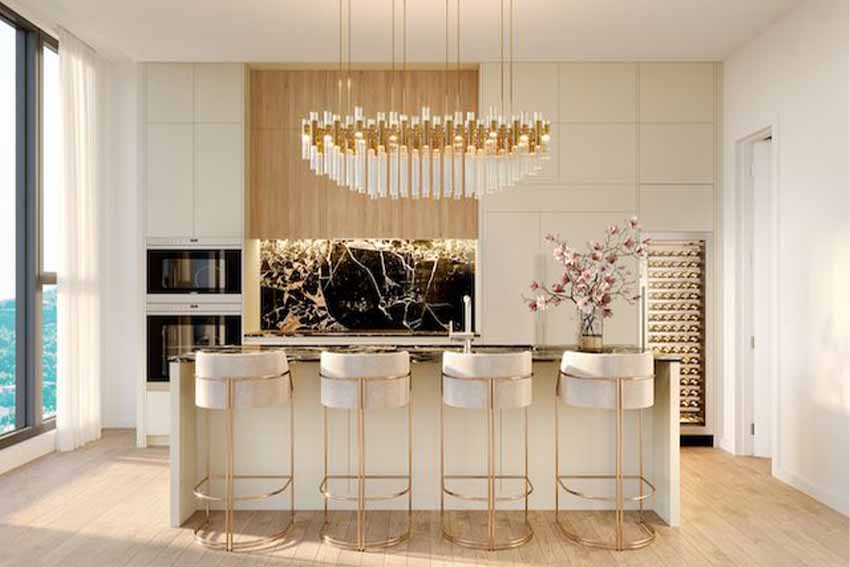
Think about a simple U.S. suburban kitchen with white shaker cabinets and quartz counters. Add a zellige-style tile backsplash, a jute runner, wood stools, and aged brass pulls, and the room suddenly feels collected. Nothing screams. Everything adds pressure in the right place.
Texture also softens hard-working materials. Stone, metal, and tile can feel cold when left alone. Wood, fabric, ceramics, and woven accents bring the human element back into the room. That matters because kitchens are noisy, busy, and full of hard edges.
How Lighting Makes Kitchen Styling Ideas Feel Finished
Lighting can expose weak design faster than any other element. One ceiling fixture in the middle of the room leaves shadows where you cook and glare where you gather. A layered plan feels better because each light has a job.
Start with overhead light for general visibility. Add task lighting under cabinets so chopping and prep feel easier. Then use pendants, sconces, or small lamps to create warmth when the cooking is done and the kitchen shifts into evening mode.
Many homeowners spend heavily on tile and counters, then treat lighting like an afterthought. That is backwards. Light decides whether those finishes look rich, flat, warm, or harsh. Good lighting makes modest materials look intentional.
Personal Details Turn a Decorated Kitchen Into a Lived-In Space
A kitchen should not feel copied from a catalog. The room needs signs of real life, but not clutter wearing a cute outfit. Personal detail works best when it is edited, useful, and connected to how the household lives.
How to Add Character Without Creating Visual Noise
Character comes from choosing fewer pieces with more meaning. A framed recipe from a grandparent, a small shelf of favorite mugs, a handmade bowl, or a print from a local market can do more than a wall full of generic signs.
The mistake is adding charm in layers until the kitchen loses focus. Too many sayings, magnets, containers, and seasonal items can make the room feel busy even when it is clean. A stronger approach is to give personal pieces breathing room.
A good rule is simple: display what you would still love if no guest ever saw it. That filters out filler fast. The kitchen becomes more honest, and honest rooms age better.
Why Kitchen Decor Should Leave Room for Change
Taste shifts. Families grow. Cooking habits change. The best kitchen decor inspiration leaves space for those changes instead of locking the room into one narrow look. Permanent choices should stay grounded, while smaller decor can carry personality.
Cabinets, counters, flooring, and major appliances should have staying power. Rugs, art, stools, hardware, and paint can carry more trend or color because they are easier to update. This balance keeps the room fresh without forcing a full remodel every few years.
A stylish kitchen is not frozen in one perfect moment. It adapts as your life moves. That is what makes it feel lived in instead of staged.
Conclusion
A kitchen becomes stylish when every choice supports the way the room is used, not when every corner tries to impress. Start with a clear visual direction, then make daily movement easier, layer in texture and lighting, and finish with personal pieces that deserve to be seen. That order matters. It keeps the design grounded instead of letting the room drift into clutter, trend-chasing, or expensive choices that do not improve daily life. Kitchen decor inspiration works best when it gives you a sharper eye, not a longer shopping list. Look at your kitchen today and choose one weak point: the counter clutter, the lighting, the color balance, or the missing warmth. Fix that first, then build from there with patience. A beautiful kitchen is not bought in one weekend; it is shaped by better decisions, one honest improvement at a time.
Frequently Asked Questions
What are the best kitchen decor ideas for small American homes?
Small kitchens need light colors, clear counters, vertical storage, and fewer decorative pieces with stronger impact. Open shelving can help when styled carefully, but closed storage usually keeps the room calmer. Use lighting, slim stools, and reflective surfaces to make the space feel larger.
How can I make my kitchen look stylish on a budget?
Change hardware, add a runner, improve lighting, repaint walls, and style counters with useful pieces like cutting boards, bowls, and jars. Budget kitchens look better when clutter disappears first. Clean surfaces make affordable upgrades feel more intentional.
What colors work best for modern kitchen design?
Warm white, soft gray, sage green, navy, clay, taupe, and muted blue work well in many homes. The right choice depends on natural light, flooring, counters, and cabinet tone. Always test samples beside permanent finishes before painting.
How do I decorate kitchen counters without making them cluttered?
Keep only useful or beautiful items on display. A tray for oils, a bowl of fruit, one plant, or a leaning cutting board can add warmth without crowding the surface. Empty space is part of the design, not wasted room.
What kitchen styling ideas make a room feel warmer?
Wood accents, woven textures, soft lighting, ceramic pieces, fabric runners, and warm metal finishes can soften a kitchen quickly. Even a white kitchen feels warmer when you add natural texture and avoid harsh blue-toned lighting.
How important is lighting in kitchen decor?
Lighting shapes the whole room. Overhead lights help with visibility, under-cabinet lights support prep work, and pendants or lamps create warmth. A kitchen with poor lighting can make strong finishes look flat, while good lighting lifts simple materials.
Can open shelves work in a busy family kitchen?
Open shelves work when they hold everyday items that stay neat through use. Plates, bowls, glasses, and a few decorative pieces usually work better than crowded displays. Families who dislike constant tidying may prefer mostly closed cabinets.
What is the easiest way to refresh cooking space decor?
Start by removing items that do not belong on the counter. Then update one visible layer, such as lighting, hardware, rugs, or wall color. A small refresh works best when it solves a real daily annoyance, not only a visual problem.