Backyard Seating Ideas for Outdoor Family Relaxation
A backyard can turn into the most used room in the house when the seating feels right. Families across the USA are spending more time at home, and outdoor family relaxation works best when the space invites people to stay, talk, eat, laugh, and unwind without feeling staged. The problem is not always space. More often, it is the way chairs, benches, shade, tables, and soft details either work together or fight each other.
Good seating does not need a resort budget. It needs clear zones, weather-smart choices, and a layout that fits how your family already lives. A quiet morning coffee spot needs different seating than a Saturday cookout corner. A backyard built for toddlers should not feel the same as one designed for teenagers, grandparents, and weekend guests.
That is where thoughtful planning matters. Even a small patio can feel warm and useful when you pair comfort with movement. For homeowners looking for broader outdoor living inspiration, practical home improvement ideas can help shape choices that feel personal instead of copied.
Backyard Seating Ideas That Match Real Family Routines
The best outdoor spaces begin with an honest look at how people move through the yard. A family that eats outside twice a week needs a different setup from one that mostly lounges after dinner. When seating follows real habits, the backyard stops feeling like a display area and starts acting like part of daily life.
Why does family patio seating work better when zones are clear?
Family patio seating becomes easier to use when every spot has a purpose. A dining table near the grill keeps food service simple. A pair of cushioned chairs near the garden creates a softer place for slow mornings. A bench along the fence gives kids a place to pause without dragging chairs across the lawn.
Many backyards fail because every chair gathers around one table. That works for meals, but it leaves no place for someone who wants shade, quiet, or a phone call away from the noise. Split the area into small seating pockets instead. One space can hold conversation. Another can support snacks. A third can give one person breathing room.
Clear zones also help guests settle faster. Nobody wants to stand with a plate while wondering where they are allowed to sit. When the layout makes choices obvious, people relax before anyone says a word. That is the quiet power of good design.
How can patio furniture layout support kids, adults, and guests?
A smart patio furniture layout gives each age group room without separating the family. Adults need supportive seats with armrests and side tables. Kids need washable surfaces and open floor space nearby. Guests need chairs that do not feel like leftovers pulled from the garage.
Sectionals work well for large families, but only when they do not block movement. Place them where people can walk behind or around them without squeezing through knees and table corners. If the backyard is narrow, use a loveseat with two movable chairs instead. Flexibility beats size when space gets tight.
A strong layout also respects sightlines. Parents often want to sit while watching children play, pets roam, or food cook. Position the main seats so the view faces the action, not the house wall. That one choice can turn a pretty corner into a space people use every week.
Outdoor Family Relaxation Starts With Comfort, Shade, and Flow
Comfort is not one thing. It is the way a chair supports your back, the way shade lands at 4 p.m., and the way people can move without bumping into furniture. Outdoor family relaxation depends on these small details because families rarely sit still in one perfect pose. They stretch, snack, shift seats, chase kids, and come back again.
What makes an outdoor lounge area feel calm instead of crowded?
An outdoor lounge area feels calm when furniture has room to breathe. Leave space between chairs and tables so people can stand up without asking others to move. Keep walking paths open from the back door to the yard, grill, garden, or pool. Crowding turns comfort into irritation fast.
Scale matters more than most homeowners expect. Oversized sofas look inviting online, but they can swallow a modest patio. A pair of deep chairs, a small sofa, and a round coffee table may serve the same number of people with less bulk. The space feels better because the eye can rest.
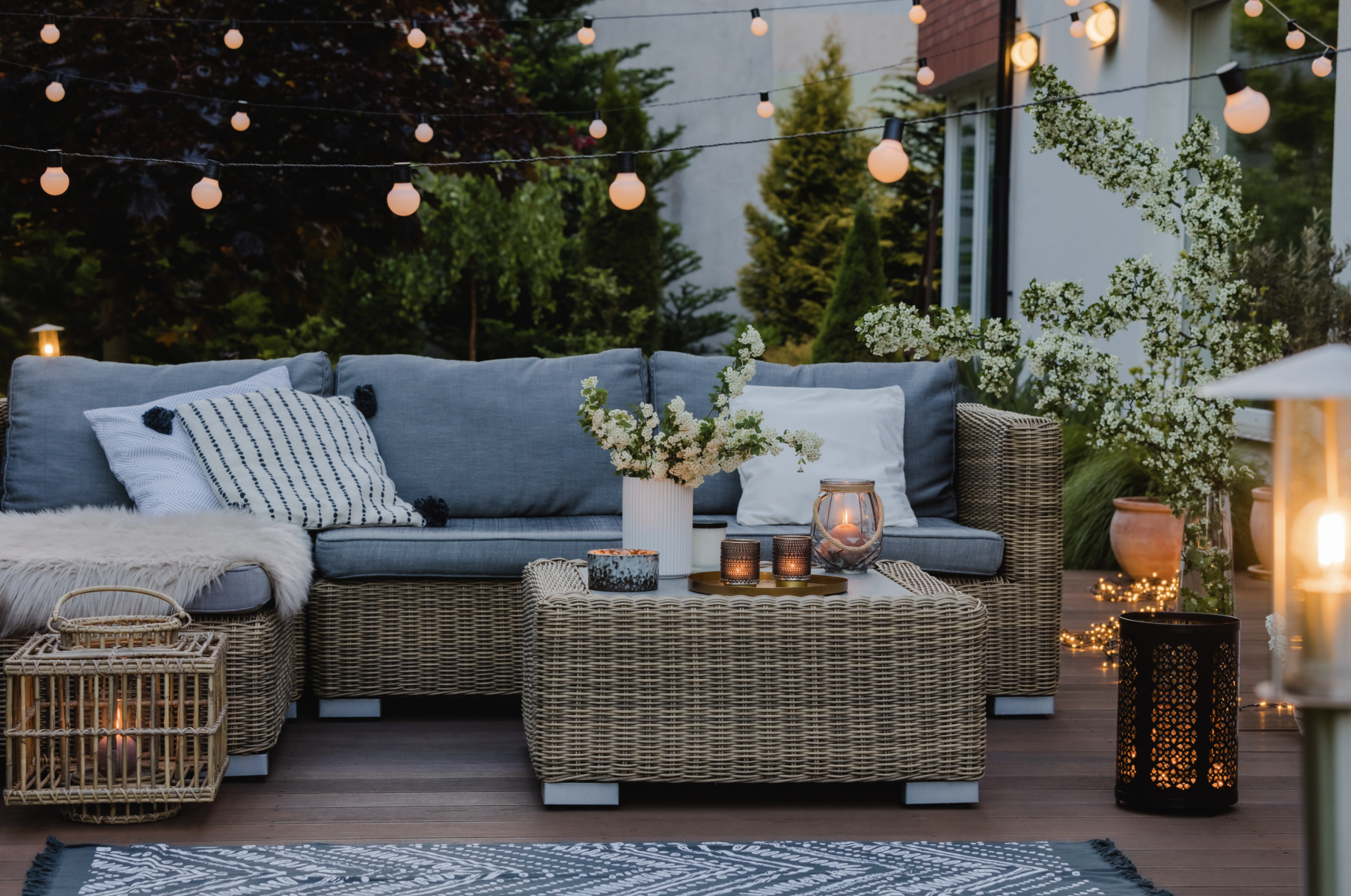
Texture also helps. Cushions, outdoor rugs, woven seats, and wood tones soften hard surfaces like concrete and pavers. The goal is not to decorate every inch. The goal is to give the body and the eye enough warmth to settle in.
How do shade and weather choices protect backyard comfort?
Shade decides whether a seating area works for ten minutes or three hours. In hot states like Arizona, Texas, Florida, and Georgia, direct afternoon sun can make even the best chairs useless. Umbrellas, pergolas, shade sails, and covered patios turn exposed spots into dependable gathering places.
Weather also decides what survives. Powder-coated metal, teak, resin wicker, and treated wood often handle outdoor conditions better than indoor-style pieces brought outside. Cushions should have removable covers, quick-dry foam, and fabric made for sun exposure. Cheap fabric may look fine in May and look tired by August.
The overlooked trick is placement. A bench under a tree may feel perfect until sap, birds, or falling leaves make it a cleaning chore. A sofa beside a sprinkler line may stay damp for days. Test the area before buying furniture. Sit there at different times and notice sun, wind, noise, and privacy.
Seating Materials Should Fit the Yard, Not Fight It
Materials carry the weight of the whole backyard. They decide how often you clean, how long the seating lasts, and whether the space still looks good after rain, heat, and weekend traffic. A beautiful chair that demands constant care becomes a burden, and families stop using burdens.
Which seating materials handle American backyard conditions best?
Different regions ask different things from furniture. Coastal homes need rust-resistant frames because salty air eats weak metal. Midwest yards need pieces that can handle big temperature swings. Southern patios need fade-resistant cushions because sun exposure can be relentless for long stretches.
Teak is a strong pick for homeowners who like natural aging and do not mind occasional care. Aluminum stays light and resists rust, which helps when chairs move often. Resin wicker gives a softer look, but quality varies. Thin, brittle strands crack faster under heat and sun.
Plastic Adirondack chairs deserve more respect than they get. High-density versions handle weather well, clean easily, and suit casual family yards. They may not feel formal, but not every backyard needs formality. Some need seats that can survive lemonade spills, muddy shoes, and a dog that thinks every cushion belongs to him.
How can cushions, benches, and built-ins reduce daily maintenance?
Cushions can make or ruin a seating plan. Thick pads feel good, but they need storage when storms hit. Thin cushions dry faster, but they may not support longer sitting. The best answer often sits in the middle: firm outdoor cushions with covers that zip off and wash without drama.
Benches solve problems chairs cannot. A built-in bench along a deck edge can seat several people without clutter. A storage bench can hide toys, pool towels, or garden gloves while acting as extra seating during cookouts. That kind of double duty matters in smaller yards.
Built-ins need careful planning because they do not move when family needs change. A fixed stone bench near a fire pit may look great, but it can feel cold and stiff unless you add cushions or back support. Permanent seating should earn its place through comfort, not looks alone.
Backyard Seating Should Invite Connection Without Forcing It
A strong backyard does not push everyone into one activity. It gives people choices while keeping them connected. Someone can read while others grill. A child can draw at a small table while adults talk nearby. Good seating respects the messy, mixed rhythm of family life.
How do small details make backyard seating ideas feel personal?
Small choices carry more feeling than expensive furniture. A side table beside every chair says someone thought about where drinks go. A basket for throws makes cool evenings easier. A low stool can become a footrest, kid seat, or snack perch depending on the moment.
Lighting changes the mood after sunset. String lights, lanterns, step lights, and solar path lights help people stay outside longer without harsh glare. Keep the light warm and low when possible. Bright white floodlights may help security, but they kill the mood around a conversation area.
Personal touches should match how the family actually spends time. A chess table makes sense for one household. A fire pit makes sense for another. A weatherproof cabinet filled with card games, bug spray, napkins, and spare cups may be the smartest “decor” in the whole yard.
What seating plan works for both quiet nights and weekend gatherings?
Movable pieces make a backyard ready for both calm evenings and full gatherings. Lightweight chairs can face the sunset on weeknights, then circle a fire pit on Saturday. Folding stools and stackable chairs can stay tucked away until extra people arrive.
Tables need the same flexibility. A large fixed dining table works for regular outdoor meals, but smaller nesting tables often serve mixed gatherings better. People can pull them close for snacks, move them aside for games, or group them when guests arrive.
A good plan also leaves some empty space. That may feel strange when you are buying furniture, but empty space is what lets the yard breathe. It gives kids room to move, guests room to mingle, and the whole setting room to adapt.
Conclusion
A backyard becomes valuable when it supports the life already happening inside the home. You do not need to chase every design trend or copy a magazine patio. You need seating that fits your climate, your family habits, and the way people naturally gather when they feel welcome.
Start with one honest question: where would your family sit tonight if the space were ready? Build from that answer. Add shade where the sun is harsh, choose materials that can handle your weather, and leave enough room for movement. Outdoor family relaxation grows from comfort that feels easy, not furniture that looks impressive for one photo.
The best spaces age into memory. A chair becomes Dad’s reading spot. A bench becomes the birthday cake seat. A table holds summer dinners, school projects, and late-night talks. Choose one seating zone this week, make it easier to use, and let the backyard become the room your family never wants to leave.
Frequently Asked Questions
What are the best backyard seating ideas for small patios?
Choose compact chairs, narrow benches, and round tables that keep movement open. Small patios work best with flexible pieces that can shift for meals, quiet time, or guests. Avoid oversized sectionals unless the patio still has clear walking space around every side.
How do I create family patio seating on a budget?
Start with the seats you need most, then add comfort in layers. A basic bench, two sturdy chairs, washable cushions, and a small table can feel complete. Spend more on weather-resistant materials and save on decorative pieces that can change over time.
What is the easiest patio furniture layout for entertaining?
Place the main seats in a loose circle or U-shape so people can talk without turning their bodies all night. Keep food and drinks close, but not in the walking path. Add a few movable chairs so guests can join or step away naturally.
How can I make an outdoor lounge area feel cozy?
Use cushions, rugs, warm lighting, side tables, and shade to soften the space. Cozy does not mean crowded. Leave enough room for people to move easily, then add details that make sitting outside feel as comfortable as staying indoors.
Which backyard seating materials last the longest?
Teak, aluminum, recycled plastic, and quality resin wicker often perform well outdoors. The best choice depends on your region. Coastal homes need rust resistance, sunny states need fade protection, and colder areas need materials that handle freeze-thaw cycles without cracking.
How much seating does a family backyard need?
Plan for daily use first, then add flexible backup seating for guests. A family of four may need four comfortable regular seats plus two or three stackable or folding options. Empty space matters too, so avoid filling the yard with chairs nobody uses.
How do I arrange seating around a fire pit safely?
Keep chairs far enough from the flames for comfort and movement, and use stable seating that will not tip easily on pavers, gravel, or grass. Leave a clear path behind the seats so people can move away without stepping near the fire.
What outdoor seating works best for kids and pets?
Choose washable cushions, rounded edges, sturdy frames, and materials that clean with mild soap and water. Avoid fragile finishes, glass-heavy tables, and light fabrics that stain fast. Kids and pets need a backyard that can take rough use without constant worry.