Off Road Driving Tips for Rugged Terrain Adventures
A dirt trail can make a confident driver feel humble in less than ten seconds. Pavement rewards speed and routine, but rough ground rewards patience, feel, and the ability to read what is coming before your tires touch it. That is why Off Road Driving Tips matter most before the first hill, rut, washout, or loose shoulder appears. Across the USA, drivers head toward desert tracks, forest service roads, mountain passes, muddy hunting access routes, and remote campsites thinking their vehicle will do the hard part. It will not. The driver still makes the call. Good trail judgment starts with preparation, calm throttle control, and respect for the land under the wheels. If you plan trips around outdoor travel, vehicle readiness, and practical route planning, trusted adventure planning resources can help you think beyond the next turn. Rugged trails are not about showing off. They are about getting in, getting through, and getting home with your vehicle, your passengers, and the trail in one piece.
Reading the Trail Before the Tires Commit
A rough road tells you what it wants long before it punishes you. The problem is that many drivers stare at the obstacle right in front of the bumper and miss the wider picture. Good off-road driving begins with observation, not motion. You learn to see texture, slope, shadow, water flow, loose rock, and tire tracks as signals rather than scenery.
How Do Rugged Terrain Driving Conditions Change Your Choices?
Dry dirt, wet clay, deep sand, loose gravel, and rocky ledges all ask for different driving behavior. A trail in Arizona can need steady momentum through sand, while a wooded track in Pennsylvania may demand slow tire placement over slick roots. The same vehicle can feel capable in one setting and clumsy in another.
Rugged terrain driving gets easier when you stop treating every obstacle like a power test. Loose surfaces need smooth inputs. Rocks need tire accuracy. Mud needs controlled momentum without spinning yourself deeper. The driver who adapts early usually avoids the dramatic recovery later.
Trail marks also matter. Fresh scrape lines, deep ruts, broken branches, and stacked rocks tell you where others struggled. Those clues do not mean you must follow the same path. Often, the smarter move sits six inches to the left.
Why Walking the Route Beats Guessing From the Seat
A driver’s seat gives you a poor view of depth, angle, and hidden holes. Walking a tricky section can feel slow, but it saves axles, bumpers, and pride. One careful look at a washout can reveal a safer line that was invisible through the windshield.
This matters most on blind crests, water crossings, steep descents, and rock shelves. Step out. Check the surface. Look where your tires will land, not where the hood points. A short walk can show whether the ground is firm, hollow, slick, or undercut.
A good rule is simple: if your stomach tightens before an obstacle, inspect it. Confidence built on guessing is not confidence. It is luck wearing a jacket.
Preparing the Vehicle for Real Trail Demands
Skill matters, but preparation carries the day when the route turns against you. Many trail problems begin in the driveway, not on the trail. Underinflated spare tires, weak batteries, loose cargo, old recovery straps, and ignored fluid leaks have ruined more trips than dramatic obstacles ever will.
What Should 4×4 Vehicle Preparation Include Before a Trip?
4×4 vehicle preparation starts with boring checks that save expensive trouble. Inspect tire condition, spare tire pressure, fluids, battery terminals, belts, hoses, brake feel, lights, and recovery points. None of this sounds exciting. That is the point. Trail success often comes from handling dull details before they become loud failures.
Tires deserve special attention because they are your only conversation with the ground. All-terrain or mud-terrain tires can help, but tread alone does not replace judgment. A strong tire with poor pressure for the surface still works against you.
Cargo needs the same care. A loose cooler, jack, toolbox, or air compressor can become dangerous when the vehicle pitches sideways. Tie everything down before the trail starts, not after the first hard bump reminds you.
Which Off-Road Recovery Gear Belongs in Your Vehicle?
Off-road recovery gear should match your route, vehicle weight, and group size. At minimum, carry a rated recovery strap, soft shackles or proper shackles, gloves, a shovel, traction boards, a tire repair kit, a portable air compressor, and a solid jack setup that works on uneven ground.
Recovery gear is not decoration. It only helps when you know how to use it and when every attachment point is rated for the load. Hooking a strap to the wrong bumper part can turn a stuck vehicle into a flying metal lesson.
Solo travel raises the stakes. A winch, satellite communicator, extra water, paper maps, and a full-size spare can move from “nice to have” to trip-saving fast. In remote parts of Utah, Nevada, Colorado, Montana, and New Mexico, cell service often disappears before the trouble starts.
Controlling Speed, Traction, and Momentum
The trail does not care how powerful your engine is. It cares how gently you apply that power. Most beginners drive too fast when they should slow down and too slow when momentum matters. The craft sits in knowing which moment you are in.
When Should You Slow Down on Rocky Trails?
Rocky trails reward patience because speed turns small mistakes into hard impacts. Choose a line, ease forward, and let the tires climb rather than slam. A slow tire can wrap around a rock. A fast tire bounces off it, and bouncing steals control.
Low range helps here because it gives you better throttle control and engine braking. You should not need heavy pedal work to crawl over uneven ground. The vehicle should move with enough force to continue, not enough force to lurch.
Spotters can help, but only when communication stays clear. Use simple hand signals, agree on them before moving, and stop if you lose sight of the person guiding you. Confusion near rocks costs money.
How Does Trail Safety Change in Mud, Sand, and Snow?
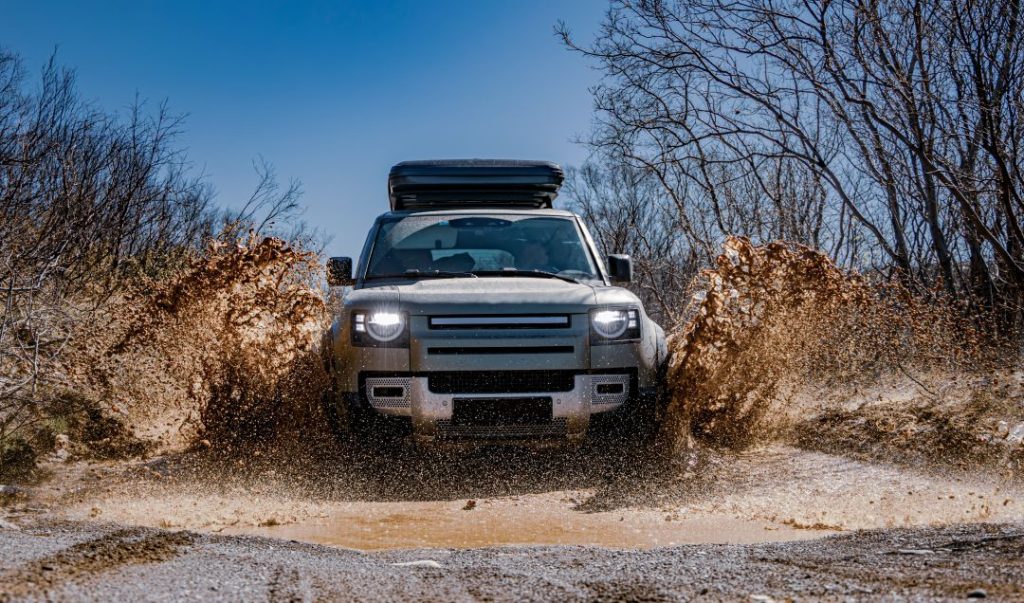
Trail safety in soft ground starts with tire pressure, momentum, and restraint. Sand often needs steady movement and wider tire contact. Mud punishes wheel spin because spinning tires dig down instead of moving forward. Snow can hide ice, ruts, rocks, and drainage cuts under a calm-looking surface.
Momentum does not mean speed. It means carrying enough steady motion to keep from bogging down. The mistake is stabbing the throttle after the vehicle slows. That usually digs holes faster and makes recovery harder.
Soft ground also demands humility. If the trail looks torn up, soaked, or closed, turn around. In many American public lands, driving through wet areas can damage soil, harm vegetation, and get routes restricted for everyone. The National Park Service offers useful guidance on responsible off-highway vehicle use for drivers who want to enjoy public land without damaging it.
Driving With Respect for People, Land, and Limits
A trail ride is never only about the driver. Other people use the same land: hikers, ranchers, hunters, cyclists, campers, land managers, and families looking for quiet. The best drivers know their vehicle may be loud, heavy, and capable of leaving marks that last longer than the trip.
Why Responsible Trail Etiquette Protects Access
Responsible trail etiquette keeps routes open. Stay on marked trails, avoid widening tracks around obstacles, yield when needed, slow down near people and animals, and leave gates as you found them. These habits sound small until you see a beautiful trail closed because too many drivers treated it like disposable space.
Dust matters too. Slow down near campsites, trailheads, homes, and other vehicles. Nobody enjoys eating grit because someone wanted to look fast on a forest road.
Pack out what you bring in. That includes broken parts, food wrappers, recovery gear scraps, and trash found by others when you can safely carry it. The trail remembers careless visitors. So do the people who decide whether access stays open.
How Do You Know When Turning Around Is the Smart Move?
The smartest trail decision is sometimes a U-turn. Weather shifts, fatigue builds, daylight fades, and small mechanical issues grow teeth in remote country. A driver who refuses to turn back is not brave. That driver is gambling with everyone in the vehicle.
Set turnaround rules before the trip. Decide how late you will continue, how much fuel reserve you need, and what conditions will stop the drive. Clear rules remove ego from the moment.
The final test is simple. If continuing depends on everything going right, stop. Trails rarely give perfect conditions twice in a row. Good judgment leaves room for surprise.
Conclusion
Rough country has a way of exposing weak habits. It shows whether you prepared the vehicle, read the surface, respected the weather, and kept your pride from taking the wheel. The better you get, the less dramatic the drive looks from the outside. Smooth lines, slow hands, calm choices, and quiet turnarounds become the signs of real skill.
The strongest Off Road Driving Tips are not tricks. They are habits built before trouble starts: check the vehicle, walk uncertain sections, carry proper recovery gear, use momentum with care, and protect the land that gives you the adventure in the first place. That mindset matters whether you are crossing a desert wash, climbing a rocky mountain road, or reaching a remote campsite after rain.
Choose the route you can finish safely, not the one that flatters your ego. Prepare well, drive lightly, and leave the trail ready for the next person who needs a little dirt under the tires.
Frequently Asked Questions
What are the best off-road driving tips for beginners?
Start with easy trails, drive slower than feels exciting, and learn how your vehicle responds on dirt, gravel, sand, and small ruts. Carry recovery basics, travel with another vehicle when possible, and walk any obstacle that makes you unsure before driving into it.
How should I prepare my 4×4 vehicle for rough terrain?
Check tires, fluids, battery health, brakes, lights, recovery points, and spare tire pressure before leaving pavement. Secure all cargo inside the vehicle, bring a tire repair kit, carry an air compressor, and make sure your recovery gear matches your vehicle’s weight.
What tire pressure is best for rugged terrain driving?
Lower pressure can improve grip and comfort on rocks, sand, and washboard roads, but the right number depends on tire type, vehicle weight, and terrain. Air down in small steps, avoid sharp steering at low pressure, and reinflate before returning to highway speeds.
Is it safer to drive off-road alone or with a group?
A group is safer because another vehicle can help with recovery, navigation, medical issues, or mechanical problems. Solo trips need extra planning, stronger communication tools, more water, reliable maps, and a firm turnaround point before conditions become risky.
What recovery gear should every trail driver carry?
A rated recovery strap, shackles or soft shackles, gloves, shovel, traction boards, tire repair kit, air compressor, and safe jack setup belong in most trail vehicles. Remote trips may also call for a winch, satellite communicator, extra fuel, and more water.
How do I drive through mud without getting stuck?
Use steady momentum, avoid sudden throttle, and keep your tires pointed where you want to go. Spinning tires usually dig deeper, so ease off if forward movement stops. Check mud depth first when possible, and avoid trails that are soaked or closed.
What should I do before crossing water off-road?
Walk or inspect the crossing when safe, check depth, look for hidden rocks or drop-offs, and confirm the exit side is firm. Drive slowly and steadily without creating a large bow wave. Never enter fast-moving water or any crossing deeper than your vehicle can handle.
How can I avoid damaging public trails while off-roading?
Stay on marked routes, avoid wet or fragile areas, do not widen trails around obstacles, and pack out trash. Slow down near people, animals, and campsites. Responsible driving protects access, reduces erosion, and keeps public lands open for future trips.

Related Posts

Despite Constant Change Certain Principles Never Lose Their Value

Small Daily Decisions That Create Lasting Positive Change