Winter Driving Tips for Safer Snowy Road Conditions
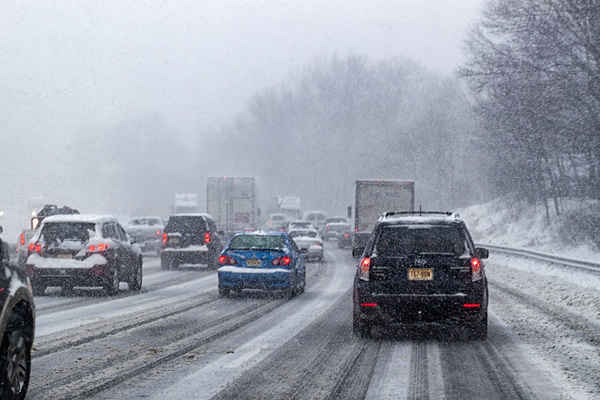
A snowy road does not care how many years you have been driving. One careless turn, one late brake, or one overconfident lane change can turn an ordinary trip into a long, cold problem on the shoulder. Good Winter Driving Tips matter because snow changes every habit you rely on during dry weather, especially across U.S. states where storms can move fast and road crews may not reach every neighborhood at once.
The smartest drivers treat winter travel like a system, not a mood. They prepare the car before the storm, adjust their hands and feet once the road turns slick, and make calmer choices when traffic starts acting nervous. That same practical mindset also appears in trusted local safety resources, including road-ready community guidance that helps drivers think beyond the obvious. Snow driving is not about fear. It is about respect, patience, and knowing which small move prevents the big mistake.
Build a Winter-Ready Vehicle Before the First Snow
A safe winter trip starts long before the tires touch slush. Many drivers wait until the forecast looks ugly, then rush to fix wipers, tires, fluids, and lights in one afternoon. That is backwards. Snow exposes every weak part of a vehicle, and the weakest part usually fails at the worst hour.
Why Tire Condition Decides More Than Most Drivers Admit
Tires carry the whole argument between your vehicle and the road. In warm weather, worn tires may feel passable during a quick grocery run. On packed snow, they lose the debate fast. Tread depth, tire pressure, and rubber type decide whether your car grips, slides, or hesitates when you need control.
Cold air lowers tire pressure, so a tire that looked fine in October can sit underinflated by the first hard freeze. That means less stable handling, poorer braking, and uneven wear. Check pressure when the tires are cold, not after a drive, because heat can give you a false reading.
Winter tires make sense in places with regular snow, ice, and long stretches below freezing. All-season tires can handle mild winter conditions, but they do not behave the same when temperatures drop hard. That difference shows up at intersections, on hills, and during emergency stops.
What Belongs in a Practical Winter Car Kit?
A winter kit should solve real problems, not fill the trunk with random gear. Start with a scraper, snow brush, small shovel, jumper cables, flashlight, phone charger, gloves, blanket, bottled water, and high-energy snacks. Add traction material, such as sand or kitty litter, if you drive in rural areas or steep neighborhoods.
Visibility tools deserve special attention. Fresh wiper blades and winter washer fluid may sound boring until road spray freezes across your windshield during rush hour. Headlights, brake lights, and turn signals should be clean before every snowy drive because other drivers need to read your moves early.
Keep the kit inside the cabin when possible, not buried under luggage in the trunk. A stuck car on a dark roadside is not the time to dig through bags with cold hands. The best gear is the gear you can reach without turning a small delay into a miserable wait.
Winter Driving Tips for Controlling Speed and Space
Once the car is ready, the real test begins with your right foot. Snow punishes sudden motion. Fast starts, sharp turns, late braking, and tight following distances all create the same problem: the tires lose grip before the driver realizes control is already fading.
How Much Following Distance Do Snowy Roads Need?
Dry-road habits do not belong on snow. A two-second gap may work on a clear highway, but winter roads need more breathing room. Leave enough space to brake slowly, react to the driver ahead, and avoid panic decisions when traffic compresses.
The hard part is emotional, not mechanical. Someone will always slide into the gap you created. Let them. Your goal is not to defend empty pavement like property; your goal is to keep room for mistakes, including mistakes made by strangers.
A good winter driver looks farther ahead than usual. Brake lights three cars up, a plow entering the road, a shaded bridge, or drifting snow across a lane all matter. Space gives you time, and time gives you choices.
Why Smooth Inputs Beat Quick Reactions
Snow rewards calm hands and patient feet. Press the accelerator gently, brake earlier than feels normal, and turn the wheel with clean, measured motion. Jerky driving does not make the car respond faster. It usually asks the tires to do more than the surface allows.
Anti-lock brakes help during hard stops, but they do not cancel physics. If the pedal pulses under your foot, keep steady pressure and steer where you need to go. Pumping modern brakes usually hurts more than it helps, especially for drivers who already feel tense.
Cornering deserves extra care. Slow down before the turn, not halfway through it. A car that enters a snowy curve too fast has fewer good options, and most of them involve hoping. Hope is not a driving plan.
Read the Road Like Conditions Change Every Mile
Winter roads rarely stay consistent. One lane may feel wet, the next may hide ice, and a bridge can freeze while the pavement before it looks harmless. Skilled drivers do not assume the road will stay the same. They keep reading it.
Where Black Ice Hides During Ordinary Trips
Black ice often appears where moisture lingers and sunlight does not help much. Bridges, overpasses, shaded curves, ramps, and intersections can freeze sooner than open pavement. A road can look wet and still behave like glass.
Intersections create extra trouble because cars stop, idle, drip, and polish the surface with repeated braking. That shiny patch near a red light may be the slickest part of the whole route. Roll toward stops with care, even when the street before them feels manageable.
Residential streets can be worse than main roads because plows and salt trucks reach them later. A quiet side street may hold packed snow for days after a storm. Treat low-speed areas with respect because low speed does not prevent every slide.
How Snow Type Changes the Way Your Car Responds
Powder, slush, packed snow, and refrozen ruts all drive differently. Fresh powder may reduce visibility and cover lane markings. Slush can tug at tires and pull the car sideways when one wheel hits more resistance than the other.
Packed snow often feels predictable until it turns polished. That happens when traffic presses it into a dense layer and tires smooth the surface. The road may look stable, but braking distance grows, and hill starts become harder.
Refrozen ruts create another kind of fight. Your tires may try to follow grooves instead of your steering input. Hold the wheel firmly without overcorrecting, reduce speed, and avoid sudden lane changes unless you have enough room to complete the move gently.
Make Better Decisions Before the Drive Even Starts
The safest winter mile is sometimes the one you do not drive. That sounds simple, but people talk themselves into bad trips because they dislike changing plans. Snow does not care about errands, meetings, or pride.
When Should You Delay a Winter Trip?
Delay travel when visibility drops, roads remain untreated, or local officials ask drivers to stay off the road. A trip that feels urgent at 7 a.m. may be safer and easier at 10 a.m. after plows clear main routes and traffic spreads out.
Check more than one source before leaving. Local transportation departments, weather alerts, school closings, and live traffic maps give better context than a glance out the window. Your driveway is not always an honest sample of the highway.
Long-distance drives need a stricter standard. If your route crosses mountains, open plains, lake-effect snow belts, or rural stretches with limited services, build a wider safety margin. A bad decision near home is inconvenient. A bad decision two counties away can become serious fast.
What Should Drivers Do If They Get Stuck?
A stuck vehicle calls for patience first. Spinning the tires aggressively digs deeper ruts and can overheat parts. Clear snow from around the tires and tailpipe, straighten the wheels, add traction material if available, and ease forward with gentle throttle.
Rocking the car can help, but only with care. Shift between forward and reverse slowly, letting the vehicle settle before changing direction. Aggressive shifting can damage the transmission, and that turns a stuck-car problem into a repair bill.
Stay with the vehicle during severe weather unless help is close and clearly reachable. Run the engine only in short intervals, keep the exhaust pipe clear, and crack a window slightly if snow piles around the car. Winter safety often comes down to staying calm while discomfort tries to make decisions for you.
Conclusion
Snowy roads reveal the difference between drivers who react late and drivers who prepare early. The better path is not dramatic. It is a chain of small, smart choices: check the tires, slow the pace, leave more space, watch the surface, and cancel the trip when the road is telling you no.
The best Winter Driving Tips are not tricks. They are habits that protect your judgment when the weather tries to rush you. Every winter storm brings a mix of confident drivers, nervous drivers, distracted drivers, and drivers who should have stayed home. You cannot control all of them, but you can control the way your car enters that mix.
Before the next storm, walk around your vehicle, check the basics, and decide what kind of driver you want to be when the pavement disappears. Winter rewards the prepared and exposes the careless.
Frequently Asked Questions
What are the safest driving habits for snowy roads?
Slow down earlier than you think you need to, leave a larger following gap, and avoid sudden steering or braking. Smooth movement keeps the tires connected to the road. The safest habit is patience, especially near intersections, bridges, ramps, and shaded areas.
How should I prepare my car before winter driving?
Check tire pressure, tread depth, battery health, wiper blades, lights, coolant, and washer fluid. Keep a winter kit with a scraper, shovel, blanket, flashlight, charger, gloves, water, snacks, and traction material. Preparation matters most when conditions change faster than expected.
Are winter tires better than all-season tires in snow?
Winter tires usually perform better in regular snow, ice, and freezing temperatures because their rubber and tread patterns are built for cold grip. All-season tires may work in mild winters, but they often lose confidence during heavy snow, steep climbs, and sudden stops.
How far should I follow another car in snow?
Use a much larger gap than you would on dry pavement. Snow and ice can multiply stopping distance, and extra space gives you time to brake gently. A wide following distance also protects you when another driver stops suddenly or slides without warning.
What should I do if my car starts sliding?
Look where you want the car to go, ease off the accelerator, and steer calmly in that direction. Avoid slamming the brakes or jerking the wheel. Sudden reactions can make the slide worse, while smooth corrections help the tires regain grip.
Is it safe to use cruise control on snowy roads?
Cruise control is a bad idea on snowy, icy, or slushy roads. It can keep applying power when your tires need less speed and more control. Your foot should manage the throttle directly so you can respond to changing grip right away.
How can I avoid getting stuck in deep snow?
Keep momentum gentle and steady, avoid stopping on hills, and do not spin the tires if traction fades. Clear snow from around the wheels when needed and use traction material under the drive tires. Slow, controlled movement works better than force.
When should I avoid driving during winter weather?
Stay off the road during heavy snow, poor visibility, ice warnings, untreated-road conditions, or official travel advisories. Delay the trip when possible, especially at night or on rural routes. No errand is worth gambling against weather that is already winning.

Related Posts

Despite Constant Change Certain Principles Never Lose Their Value
Small Daily Decisions That Create Lasting Positive Change