
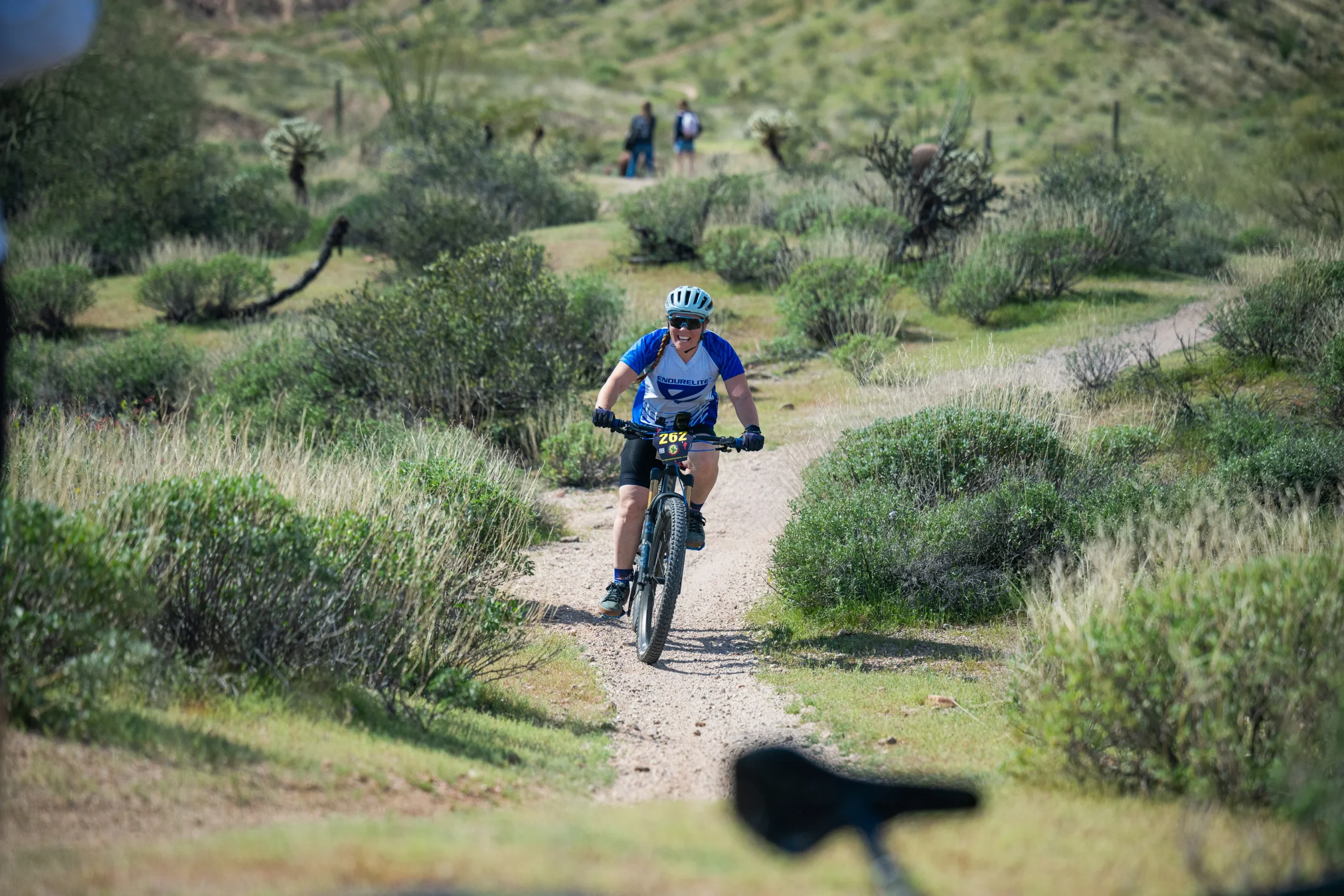
Cycling Recovery Tips for Better Athlete Endurance
Hard rides do not make you stronger while you are suffering through them. They make you stronger when your body gets the right repair window afterward. That is why Cycling Recovery Tips matter for riders who want stronger legs, cleaner breathing, and steadier miles without feeling drained by midweek. For local American cyclists balancing work, family, weather, and weekend group rides, recovery is not some luxury routine saved for pros. It is the quiet system that keeps your next ride from feeling like punishment. A rider in Denver climbing after work, a commuter in Portland handling wet streets, or a Texas weekend racer dealing with heat all face the same truth: effort without repair turns fitness into fatigue. Smart recovery gives your training a return on investment. It also protects your mood, sleep, joints, and motivation. Riders who follow strong sports performance habits from trusted resources like athlete wellness guidance often learn that the real edge is not doing more. It is recovering better.
Cycling Recovery Tips That Start Before the Ride Ends
Recovery does not begin when you park the bike. It starts during the final miles, when your body is still deciding whether the ride becomes useful stress or lingering damage. Many cyclists miss this because they treat the cool-down as optional, then wonder why their legs feel wooden the next morning.
Why the Last Ten Minutes Shape Tomorrow’s Legs
The final stretch of a ride should lower the volume inside your body. After a hard interval set or hill session, your heart rate needs a gradual exit, not a sudden stop at the garage door. A gentle spin tells your muscles that the fight is over, which helps your body shift from output to repair.
A cyclist in Phoenix finishing a summer ride has a different problem than someone cruising in Vermont. Heat keeps the system revved up even after the road flattens. That rider may need a longer easy roll, more shade, and a calmer finish than the training plan suggests.
Post-ride recovery works better when the body is not shocked into stillness. You do not need a perfect ritual. You need a sensible landing. Five to ten minutes of soft pedaling can save you from hours of heavy-leg regret later.
How Early Hydration Protects Endurance
Hydration after a ride gets most of the attention, but waiting until the ride is done is a weak move. Fluid loss builds while you are working, and once thirst gets loud, you are already behind. That gap can steal power from the final miles and slow repair afterward.
American cyclists deal with wild climate swings. A rider in humid Atlanta may sweat through a jersey without noticing how much sodium is leaving the body. A rider in dry Utah may lose fluid fast because sweat evaporates before it feels obvious. Different weather, same trap.
Cycling endurance training depends on repeatable effort, and repeatable effort depends on fluid balance. Water matters, but longer rides often need electrolytes too. The goal is not to drink until your stomach sloshes. The goal is to keep your body from fighting two battles at once.
Food Timing That Turns Effort Into Adaptation
A ride creates demand. Food answers it. The problem is that many cyclists either eat too little because they fear undoing the workout, or they eat anything nearby because hunger hits like a door kicked open. Neither approach respects what the body needs after real effort.
Why the First Meal Should Be Simple and Useful
The first recovery meal does not need to be fancy. It needs carbs for fuel replacement and protein for repair. A turkey sandwich, rice bowl with chicken, eggs with toast, or Greek yogurt with fruit can do the job without turning recovery into a cooking project.
Muscle repair for cyclists is not about chasing huge protein numbers after every ride. It is about giving the body enough building material at the right time. A rider who finishes a hard Saturday climb session and waits four hours to eat may miss the easiest repair window of the day.
The counterintuitive part is that under-eating can make weight control harder. A cyclist who skips the recovery meal often gets stronger cravings at night, sleeps worse, and rides flat the next day. Discipline is not starvation. It is timing.
How Carbs Keep Your Next Ride From Falling Apart
Carbs have been unfairly blamed by too many weekend athletes. For cyclists, they are not a guilty pleasure. They are stored riding fuel. After a long ride, your body wants to refill that tank so the next session does not feel like climbing with sandbags tied to your shoes.
Post-ride recovery improves when carbs and protein show up together. Oatmeal with milk, a smoothie with fruit and yogurt, or potatoes with lean meat all bring the body back toward balance. The meal should match the ride. A gentle 30-minute spin does not need the same refuel as a three-hour route.
One practical example: a Chicago rider training for a charity century may ride long on Sunday, then commute Monday. If Sunday recovery is weak, Monday becomes a slog before the week even starts. Food is not the reward after training. It is part of the training.
Sleep, Mobility, and the Quiet Work of Repair
Once food and fluids are handled, recovery moves into quieter territory. This is where many cyclists lose patience. Sleep, stretching, and soft tissue work do not feel as satisfying as another hard ride, but they often decide whether endurance rises or stalls.
Why Sleep Is the Cheapest Performance Tool
Sleep is where the body does much of its deepest repair. Hormones, nervous system balance, and tissue rebuilding all depend on it. A cyclist can buy expensive wheels and still lose fitness gains by treating sleep like leftover time.
A rider in New York who trains before work may think the 5 a.m. alarm proves commitment. It might. But if that alarm cuts sleep to five hours, the workout can become a withdrawal from the body’s bank account. Some days, the smarter athlete sleeps.
Cycling endurance training improves when hard days are paired with serious rest. That does not mean every rider needs a perfect eight-hour night. It means sleep should be protected with the same respect as intervals, hills, and long rides.
How Mobility Keeps Stiffness From Becoming Pain
Cycling asks the body to repeat a narrow position for a long time. Hips stay flexed, shoulders hold tension, calves pulse, and the spine often sits in one posture for miles. Mobility work gives those areas a chance to open back up.
Muscle repair for cyclists needs blood flow, range of motion, and less guarding from tight tissue. Gentle hip flexor stretches, calf work, glute activation, and thoracic rotation can help. The goal is not to become a yoga expert. The goal is to move well enough that tomorrow’s ride does not start with stiffness.
Active recovery rides can also help when done honestly. That means easy pressure on the pedals, low ego, and no chasing strangers on the bike path. The ride should leave you feeling better than when you started. If it does not, it was not recovery.
Building a Weekly Recovery System That Actually Lasts
Recovery fails when it depends on motivation. A tired rider will not build a careful routine from scratch after a brutal ride. The system has to be simple enough to follow when your legs are cooked and your brain wants the couch.
How to Match Recovery to Ride Stress
Every ride does not deserve the same response. A short neighborhood spin may need water, a normal meal, and a decent bedtime. A long gravel ride in Kansas wind may need planned fluids, a real meal, compression, early sleep, and a lighter next day.
The smartest riders grade their workouts by cost. Distance matters, but so do heat, elevation, wind, stress, and intensity. A 40-mile ride with hard pulls in a fast group can hit harder than a relaxed 60-mile solo ride. Your recovery should answer the ride you actually did, not the number on the app.
Active recovery rides belong in the weekly plan when they serve a purpose. They can loosen tight legs, calm the nervous system, and keep routine alive. They should never become secret workouts wearing a recovery label.
Why Consistency Beats Perfect Recovery Plans
The best recovery plan is the one you can repeat. A perfect checklist that collapses after three days is weaker than a plain routine you follow for months. Keep water ready, keep recovery food easy, and set a sleep boundary that does not depend on willpower.
A rider in suburban Dallas might build a simple rhythm: hard ride Tuesday, easy spin Wednesday, strength Thursday, long ride Saturday, full rest Sunday evening. That plan may not look elite on paper, but it gives the body a pattern it can trust.
Better Athlete Endurance grows from that trust. Your body adapts when stress arrives, repair follows, and the cycle repeats without chaos. Recovery is not softness. It is how serious riders stay serious long enough to improve.
Conclusion
Strong cyclists are not the ones who punish themselves every day. They are the ones who understand when the body needs work and when it needs room to absorb that work. The road rewards effort, but it punishes riders who confuse exhaustion with progress. That is the lesson many athletes learn late.
Your next breakthrough may not come from a harder climb, a longer route, or a faster group ride. It may come from eating sooner, sleeping longer, spinning easier, and respecting the quiet hours after training. Cycling Recovery Tips are not side advice for sore legs. They are the foundation for better weeks, stronger months, and a riding life that does not burn out before it gets good.
Start with one change after your next ride. Drink before thirst takes over, eat a real meal, cool down with patience, and protect your sleep like it belongs on the training plan. Your best miles are built after the ride ends.
Frequently Asked Questions
What are the best recovery habits after a long cycling ride?
Start with an easy cool-down, then replace fluids and eat a meal with carbs and protein. Keep the rest of the day calm when possible. Light walking, gentle stretching, and early sleep can help your body repair without adding more stress.
How soon should cyclists eat after training?
Aim to eat within about 30 to 90 minutes after a hard or long ride. The meal does not need to be perfect. A simple mix of carbs and protein helps restore fuel and supports muscle repair before fatigue settles in deeper.
Are easy rides good for cycling recovery?
Easy rides can help when they stay easy. Keep the pace relaxed, avoid hills or sprints, and finish feeling fresher than when you started. If your legs feel worse afterward, the ride was too hard for recovery.
How much sleep do cyclists need for better endurance?
Most cyclists perform better when they protect consistent, high-quality sleep. Hard training increases the need for repair, so short nights can weaken adaptation. A steady bedtime often helps more than adding another workout to an already tired body.
What should cyclists drink after a sweaty ride?
Water is fine after shorter rides, but long, hot, or sweaty sessions often need electrolytes. Sodium matters because heavy sweating drains more than water. A balanced drink, salty snack, or electrolyte mix can help restore what the ride took.
Should cyclists stretch right after riding?
Gentle stretching can help, especially for hips, calves, glutes, and the upper back. Avoid forcing deep stretches when muscles feel irritated. A short cool-down first often makes mobility work feel safer and more useful.
How do I know if I need a full rest day?
Heavy legs, poor sleep, low mood, rising soreness, and weaker power can all signal a need for rest. One tired ride is normal. Several poor sessions in a row usually mean your body needs recovery more than another push.
Can poor recovery hurt cycling performance?
Poor recovery can limit endurance, increase soreness, weaken motivation, and raise injury risk. Training creates stress, but recovery turns that stress into progress. Without enough repair, hard work piles up as fatigue instead of fitness.

Related Posts

Despite Constant Change Certain Principles Never Lose Their Value
Small Daily Decisions That Create Lasting Positive Change